

The Great Transatlantic Bridge: The Tropical Lab and the Blockchain-Enabled Trade Frontier
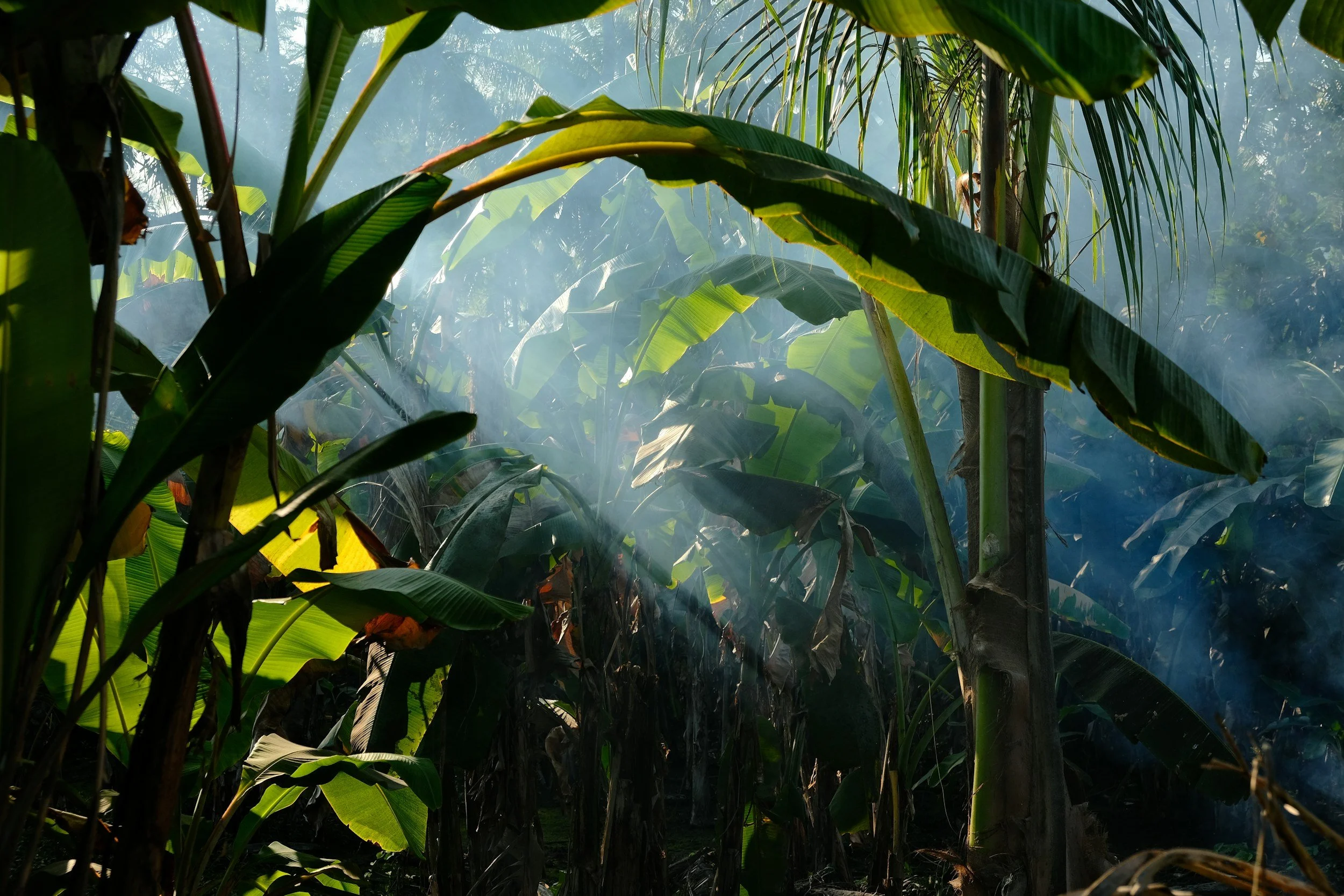
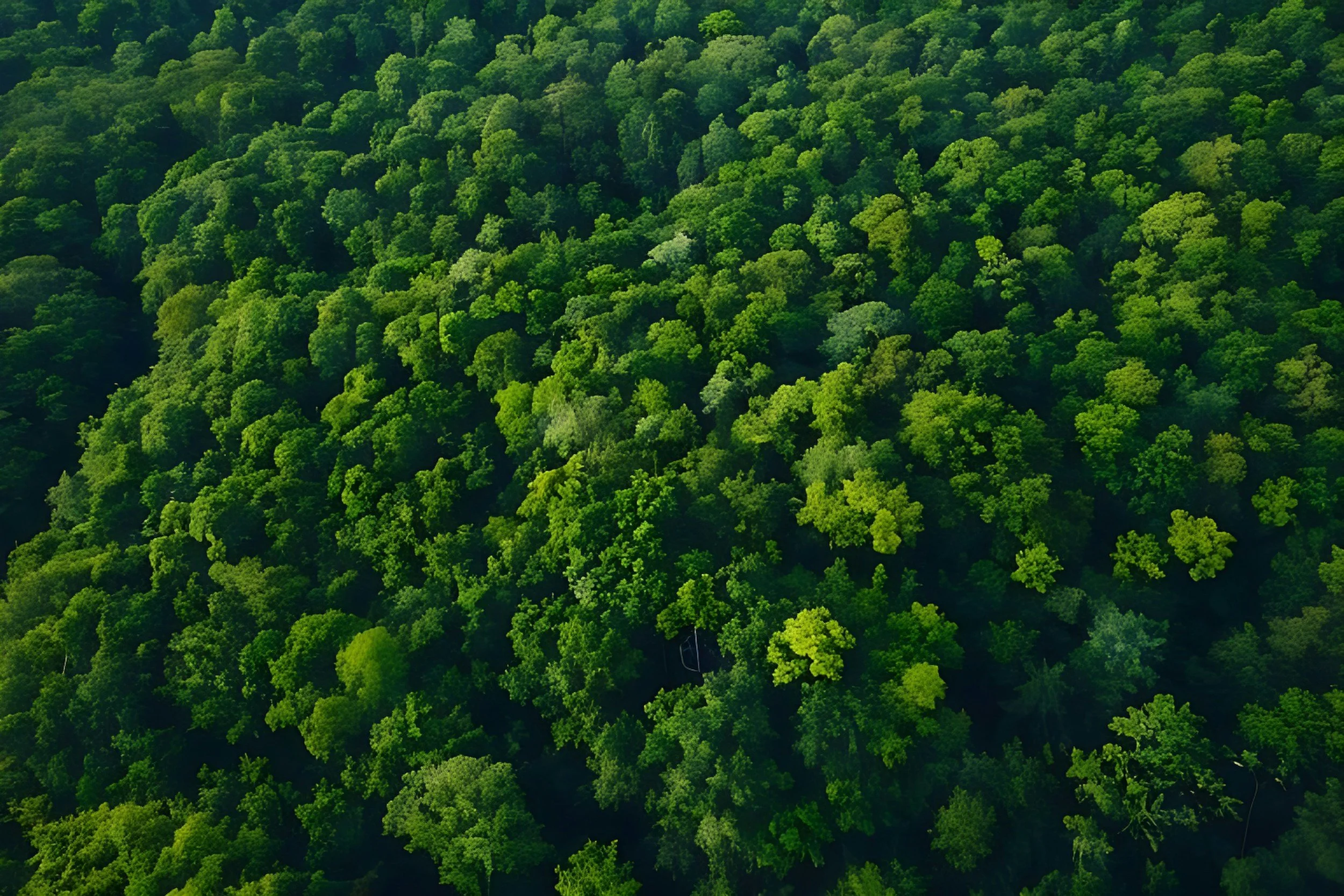
Tropical Rainforest, Brazil - Mata Atlantica, São Paulo
The 2026 landscape of global agribusiness is defined by a shift from traditional protectionism to blockchain-verified sustainability, centered on the "Tropical Lab" of the Mercosur region. As the EU-Mercosur Trade Agreement begins its implementation phase, the narrative of South American agriculture has evolved from a perceived environmental risk to a high-tech standard-setter for the Global North.
The "80% Burden" and Environmental Sovereignty
Brazilian agriculture operates under the Brazilian Forest Code, which mandates that private landowners preserve between 20% and 80% of their property as native vegetation without government compensation. In contrast, the EU’s Common Agricultural Policy (CAP) in 2026 requires a 0% mandatory set-aside for basic premiums. This disparity positions Brazil as an unpaid custodian of global ecological capital, maintaining 66% of its territory as forest, of which 92% is pristine native wilderness.
Blockchain as the "Digital Passport"
With the EU Deforestation Regulation (EUDR) fully effective as of December 2025, market access now depends on "Non-Repudiable Traceability".
Beef Industry: Major players like JBS and Minerva Foods utilize blockchain, satellite imagery, and electronic ear tags to provide immutable records of zero-deforestation compliance.
Coffee Sector: Cooperatives like Expocacer have launched "Coffee Chain" platforms to enable farm-to-cup transparency.
Economic Impact: Blockchain-linked digital audit trails can reduce customs inspection times from weeks to hours, potentially lowering costs by up to $230 per ton.
Geopolitical Friction - The ARTI Variable
The competitive advantage of the EU-Mercosur pact faces a "Strategic Ambush" from the ARTI Agreement between the US and Argentina. Signed in February 2026, ARTI allows the US to coordinate with Buenos Aires on investment security, potentially scrutinizing European blockchain investments as national security assets while rejecting EU-protected Geographical Indications (GIs) for products like Parmesan or Gorgonzola.


The Green Mirror - Why the Future of Global Agribusiness is Written in Tropical Ink
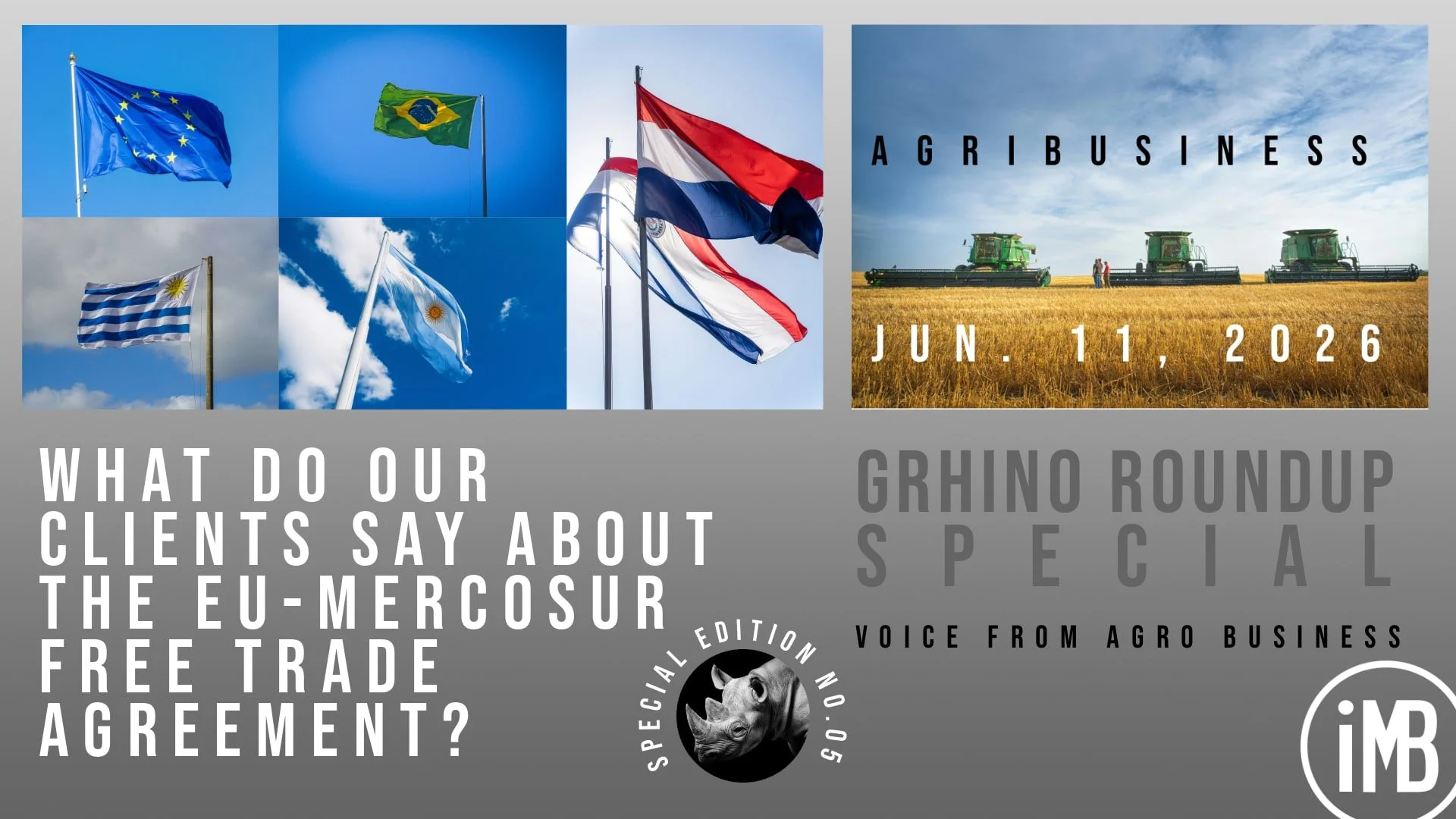
by iMB.Solutions, São Paulo, Brazil, June 2026
Preface
As international business consultants and interim managers, our office is frequently a commercial jet seat on a long-haul flight between São Paulo, Frankfurt, Albuquerque or Mexico City. This vantage point provides more than just a view; it offers a profound perspective on the diverging realities of global agriculture. As we navigate the complexities of 2026, the contrast has never been sharper.

Airport Kloten-Zurich, Switzerland
On a flight from Zurich to Hamburg on a clear day, one might expect to see the legendary "Black Forest" of European folklore. Instead, the window reveals a "massively sealed" industrial landscape. It is a grid of roads, dense industrial parks, and fragmented fields where the "native" has been almost entirely replaced by the "managed". Contrast this with a flight over the Brazilian Cerrado or the Amazon fringe, where the "Tropical Lab" is redefining the boundary between industrial productivity and ecological preservation.

Black Forest, Germany
In the global theater of environmental ethics, the casting has become predictable and, frankly, exhausted. Europe is portrayed as the enlightened guardian of the planet, while Brazil is cast as the reckless villain of the Amazon. This narrative, meticulously crafted by political leaders and media campaigns, depicts Brazilian agriculture as a lawless frontier of scorched earth. However, a cold look at the data in 2026 reveals a different story—one of profound "self-deception" in the Global North. While Europe presents a carefully curated illusion of greenness, its landscape is essentially a fully utilized industrial zone. To expose this hypocrisy, we must ask a provocative question:
What would happen if Europe were held to the exact same agricultural and environmental mandates that Brazil imposes on its own farmers?
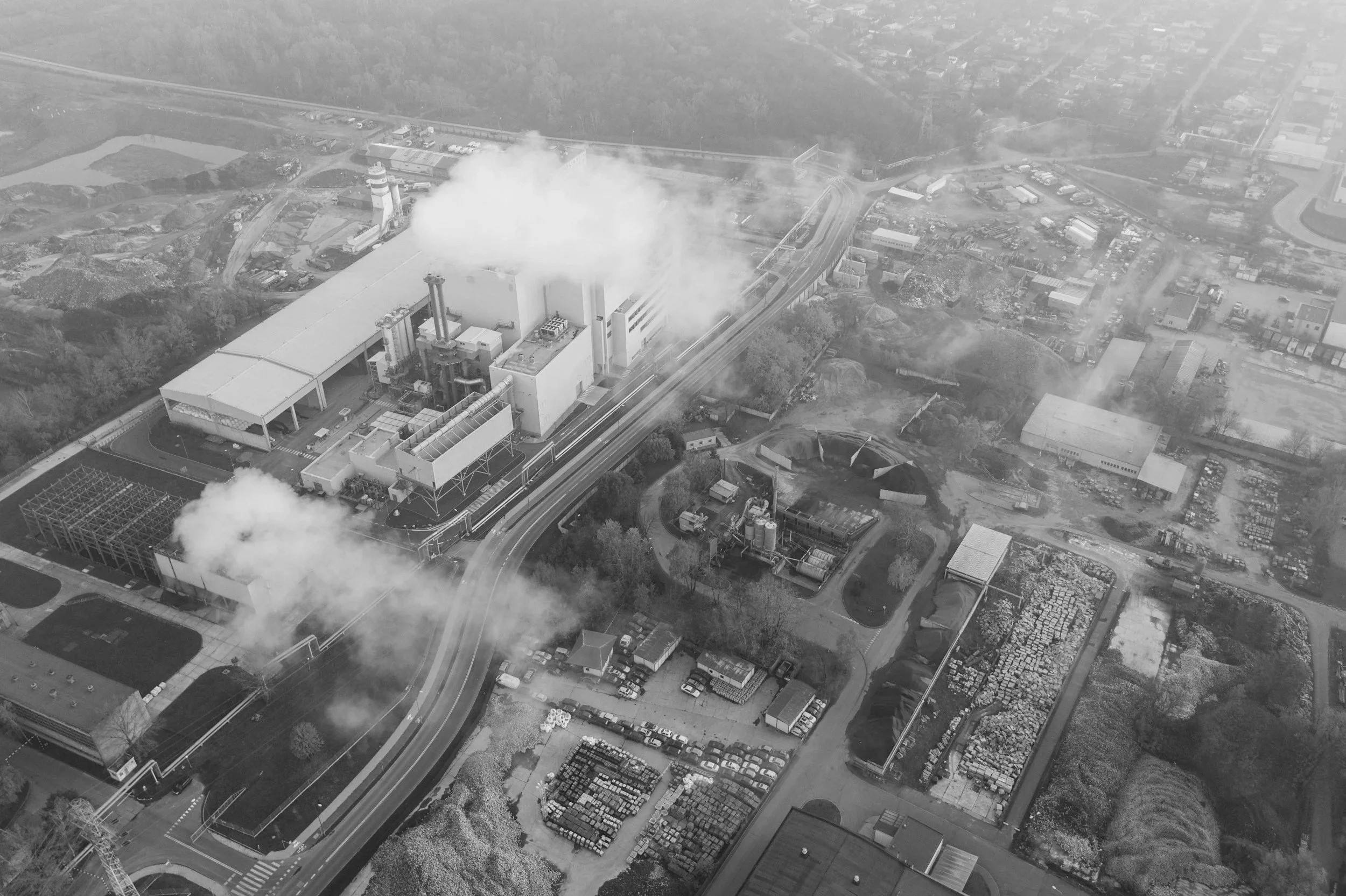
Typical central European landscape seen from airplane window
The 80% Burden: The Farmer as Custodian
The most jarring disparity for any European executive to grasp is what we call the "80% Burden." Under the Brazilian Forest Code, a farmer is not merely an entrepreneur; they are the unpaid custodian of the state’s wilderness. In the Amazon biome, private landowners are legally required to preserve a staggering 80% of their property as native vegetation. In the Cerrado savanna, this requirement stands at 35%, and it never drops below 20% in any other region of the country. This is not a suggestion; it is a mandate.
Brazilian farmers cannot touch a single branch or extract profit from these "Legal Reserves". If the land isn’t already forested, the law requires them to replant it at their own expense, without receiving a single euro in government compensation.
Compare this to the current reality of the European Union’s Common Agricultural Policy (CAP 2023–2027). Following the widespread and often violent farmer protests of 2023 and 2024, the EU effectively gutted its compulsory set-aside requirements. In 2026, a German farmer faces a 0% mandatory set-aside for receiving basic premiums. While the EU aims for landscape features with high biodiversity on 10% of agricultural land by 2030, this is pursued through voluntary "eco-schemes" where farmers are paid subsidies—up to €1,300+ per hectare in Germany—to leave land fallow. Meanwhile, the Brazilian farmer remains under constant satellite surveillance, facing steep fines for the slightest non-compliance, all while carrying the full financial weight of conservation.
If French or German farmers were forced to set aside 20% to 80% of their land for untouched forest at their own expense, the "Agricultural Revolution" in Europe would be immediate and likely catastrophic for current business models “using natural resources without accounting”.
The Illusion of Native Greenery
Europe’s environmental reputation relies on a clever conflation of "green cover" with true "native forest". While 35% of the EU is technically forested, the reality is sobering: the proportion of actual native forest is a dismal 0.7%, fragmented across dozens of nations. In sharp contrast, 66% of Brazil’s entire territory remains forested, and 92% of that is pristine native wilderness.
For a continent that has liquidated its own ecological capital to less than 1% to lecture a nation that has preserved two-thirds of its territory is a form of ecological bankruptcy masquerading as moral leadership.
This disparity is even more pronounced when examining the scale of preservation. The areas under permanent conservation in Brazil are equivalent to the total land area of France, Germany, Spain, Italy, Hungary, Portugal, Denmark, and the Netherlands combined. Despite these draconian conservation laws, Brazil has achieved what can only be described as an "Agricultural Miracle." Over the last four decades, Brazilian agricultural area grew by only 91%, yet yields increased by a staggering 478%. This productivity surge was not achieved through land expansion, but through a total paradigm shift led by Embrapa, the Brazilian Agricultural Research Corporation.
The Tropical Tech Lab: Soil Sorcery and Biological Sovereignty
Brazil’s success was not born from mimicking European or North American techniques. Instead, they transformed the acidic, nutrient-poor soils of the Cerrado into the most productive land on the planet through "Soil Sorcery"—specifically, massive-scale liming and advanced fertilization techniques. But the innovation goes much further. Brazil leads the world in "No-Till Farming," planting directly into crop residue to maximize carbon sequestration, a practice far superior to the traditional European plowing that accelerates soil erosion.
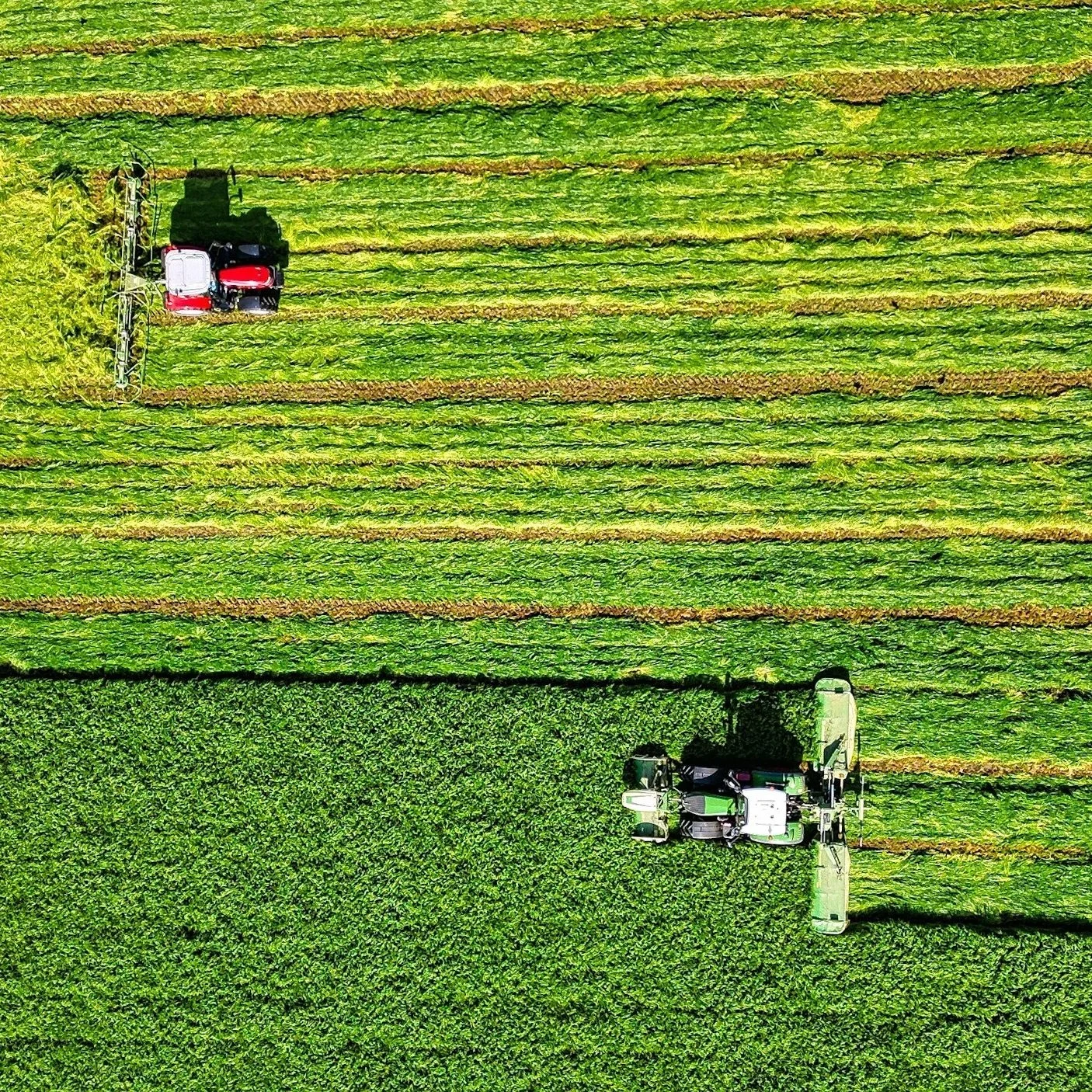
Furthermore, Brazil is currently outpacing global growth in the adoption of biologicals. The use of inoculants—nitrogen-fixing bacteria—has allowed soybean farmers to drastically reduce their reliance on synthetic fertilizers, which remain a major source of greenhouse gas emissions in Europe. This is complemented by the "Safrinha" advantage; by leveraging drought-resistant seeds, Brazilian farmers achieve two to three harvests annually on the same plot, effectively doubling production capacity without clearing a single new tree.
The Pesticide Paradox and the Sanctity of Water
The persistent critique of Brazil’s pesticide consumption often frames it as an environmental failure, yet this ignores a strategic hypocrisy.
A significant portion of the active ingredients used in Brazil are manufactured by major European chemical conglomerates. The EU captures the high-value upstream revenue from these exports while simultaneously using the downstream usage of those very same products as a non-tariff trade barrier.
Moreover, when adjusted for production intensity—considering multiple harvests per year—Brazil’s pesticide usage per ton is often lower than that of several EU nations.
Water protection in Brazil is treated with a level of legal reverence that would shock a European producer. Brazilian law strictly prohibits cultivation within 50 meters of any river, preserving these riparian buffers in their natural state. In states like Mato Grosso, "ecological zoning" can overnight declare fertile land a "wet zone," forcing farmers to abandon their most productive fields immediately without compensation.
To provide an analytical baseline for European decision-makers, consider a theoretical "Brazilian Mandate" applied to the European landscape.
If the Seine, Rhine, and Po River basins were subjected to these 50-meter riparian rules and declared protected wetlands, it would result in the forced abandonment of roughly 4 million hectares of Europe’s most fertile agricultural land.
For a German grain farmer, this would mean an immediate loss of approximately 10-15% of their most productive acreage along water arteries, with zero financial offset. And a huge gain for the nature.

Shifting Grounds
As we pivot to the broader Southern Cone, the signing of the EU-Mercosur agreement in early 2026 was intended to be the definitive bridge for European industry. However, the ground shifted on February 5, 2026, when Argentina and the United States signed the Agreement on Reciprocal Trade and Investment, known as ARTI. This bilateral deal between the Milei and Trump administrations has created a "Strategic Ambush" for European suppliers. While the EU-Mercosur deal was being finalized, the ARTI agreement granted U.S. exporters immediate, preferential access to the Argentine market, specifically in high-value sectors like motor vehicles, machinery, and medical devices.
For European suppliers, the ARTI agreement is a wake-up call regarding regulatory competition. Argentina has committed to recognizing U.S. technical standards, such as the Federal Motor Vehicle Safety Standards, without requiring the duplicative testing that often hampers European entries. Furthermore, the ARTI deal introduces a 10,000-unit annual zero-tariff quota for U.S. vehicles, a move that directly threatens the market share of European automotive giants who were counting on the EU-Mercosur framework to level the playing field.
Perhaps most alarming for the European agri-food sector is the "legalization" of what we call "Italian and French Sounding" products. The ARTI agreement effectively protects U.S.-made versions of traditionally protected European denominations, such as Parmesan or Gorgonzola, allowing them to compete directly in the Argentine market under their generic names. This risks vanifiying decades of European negotiations aimed at protecting Geographical Indications in the Southern Cone.
European companies must therefore look beyond traditional trade and move toward deep structural integration. The strategic roadmap for the next three years requires a pivot from being "exporters" to becoming "partners" in the Tropical Lab. European firms should organize delegation trips not to lecture, but to learn how to restructure for sustainable, premium production. There is a massive opportunity for European mechanical engineering and chemical firms to integrate into the world's most sophisticated tropical value chains by investing directly in local Brazilian and Argentine operations. We must leverage the "Safrinha" model and biological breakthroughs to meet the global demand for low-greenhouse-gas agriculture.
European investors should treat Brazilian operations as a hub for regenerative agriculture and carbon sequestration. By partnering with producers who are already mandated to preserve 80% of their land, European industry can fund high-integrity carbon offsets that are legally anchored in the Brazilian Forest Code. This is not just a trade opportunity; it is a chance to merge European capital with "postmodern" industrial technology to build a truly sustainable global food system. The "Green Mirror" is reflecting a new truth: the future of sustainable, high-yield agriculture isn't being invented in the boardrooms of Brussels, but in the fields of South America.
For decision-makers in Europe, the question is no longer whether the "Global South" can meet European standards. The real question is whether Europe has the political courage and the strategic foresight to hold its own sectors to the "Brazilian standard." We are standing at a crossroads where ideology and self-deception must be left behind. The ARTI agreement has shown us that the competition for these markets is fierce and that the U.S. is willing to move with a speed that the EU often lacks. Our motivating takeaway must be clear: Europe's strategic autonomy and its environmental credibility depend on embracing the "Tropical Lab." It is time to stop looking at the map of the past and start looking into the mirror of the future. The future of global agribusiness is indeed written in tropical ink, and it is a future where the "Old World" must learn to speak the language of the "New World" if it hopes to remain relevant.
Understand the ARTI Agreement

Click on image and access the blog

click on image and read the blog
Strategic Roadmap: From Protectionism to Partnership
The narrative of "uncontrolled deforestation" also requires nuance. While 2024 saw significant forest fires, satellite data and the Brazilian Environmental Registry show that less than 5% of registered agricultural entrepreneurs are responsible for illegal clearing or arson. This is a minority that can be brought under control through the enforcement mechanisms Brazil already possesses.
For European business leaders, the EU-Mercosur agreement represents a seismic shift in trade relations. This agreement is not a threat; it is a syllabus. The real strategic opportunity lies in agricultural partnership rather than protectionism. European companies should stop treating the agreement as a hurdle and start treating Brazilian agribusiness as a partner for the future.
The Roadmap for European C-Level Decision Makers
Restructuring and Sustainable Transition: European agricultural associations should move beyond lobbying for subsidies and organize delegation trips to Brazil to learn how to restructure for sustainable, large-scale production.
Direct Investment in Tropical Assets: European farmers and institutional investors should consider investing directly in Brazilian operations, merging European capital with Brazilian "postmodern" industrial technology and land-management expertise.
Technology Transfer in Biologicals: European chemical firms must pivot from synthetic exports to local Brazilian partnerships in bio-inputs, leveraging Brazil’s leadership in inoculants to meet the global demand for low-GHG agriculture.
Carbon Credit Integration: Utilize the Brazilian "Legal Reserves" as a high-integrity source for carbon sequestration offsets, creating a transatlantic value chain where European industry funds the preservation that Brazilian farmers are already mandated to provide.
Our Take Away - The Courage to Face the Mirror
The evidence is clear: the "Green Mirror" reflects a truth that the Global North is hesitant to accept. Brazil has proven that it is possible to achieve record-breaking yields while sequestering vast amounts of native wilderness on private land, entirely at the producer's expense.
The question is no longer whether Brazil can meet European standards; it is whether Europe has the political courage and strategic foresight to hold its own sectors to the "Brazilian standard".
For the modern decision-maker, the choice is between clinging to outdated protectionist ideologies or embracing a green revolution driven by transatlantic partnership. Only by leaving behind self-deception and setting sail for these "new shores" can we ensure a truly sustainable global food system.
The future of agribusiness is not being written in the halls of Brussels, but in the vibrant, tropical innovation of the South. It is time for Europe to stop looking at the map of the past and start looking into the mirror of the future.
The Digital Passport - How Blockchain is Reimagining the EU-Mercosur Trade Frontier
by Frank P. Neuhaus, São Paulo, Brazil, March 2026
The corridors of power in Brussels and the vast, sun-drenched ranchlands of the Brazilian Cerrado might seem worlds apart, yet they are currently being stitched together by a digital thread that is as invisible as it is indelible. As an interim manager and business consultant navigating the complexities of international business development across South America and Europe, I have watched the evolution of trade from a game of mere volume to one of radical transparency. We are no longer just moving commodities; we are moving data, trust, and a new form of ethical currency. Brazil, a global powerhouse and the world’s top producer of coffee and a dominant exporter of beef, is standing at a transformative crossroads where technology meets geopolitical necessity. The pressure from international markets, particularly the stringent regulations emerging from the European Union regarding deforestation-free products, has shifted the conversation from "if" to "how" we prove the ethical origins of every ton of soy, every sack of coffee, and every cut of beef.
The Dawn of a New Economic Era - The EU-Mercosur Agreement
The signing of the EU-Mercosur Agreement on January 17, 2026, in Asunción represented a watershed moment in global trade, concluding more than twenty-five years of arduous negotiations to create one of the world's largest free-trade zones. This agreement is not merely a reduction in paperwork; it is a monumental economic engine designed to cover over 780 million people and potentially boost the European Union’s GDP by up to €77.6 billion by the year 2040. By eliminating tariffs on 91% of EU exports to Mercosur and 92% of Mercosur exports to the European market, the agreement creates a playground for industrial and agricultural growth alike. However, the path to implementation is rarely a straight line. Just days after the signing, on January 21, 2026, the European Parliament referred the treaty to the Court of Justice of the EU for compatibility checks, a move that potentially delays the full entry into force by eighteen to twenty-four months.
For the C-suite executive, this delay should not be viewed as a pause, but as a critical window for preparation. The agreement’s Trade and Sustainable Development chapter mandates strict compliance with the Paris Agreement, international labor standards, and robust anti-deforestation measures. These are not mere suggestions; violations could trigger a partial or full suspension of trade benefits. This legal framework ties directly into the EU Deforestation Regulation, which became effective in December 2025 after a year-long delay, banning imports of commodities like coffee, cocoa, and soy linked to post-2020 deforestation. To navigate this, European companies must look toward the innovative solutions already being deployed on the ground in Brazil, where blockchain is maturing from a pilot-phase experiment into a strategic tool for market access.
From Fringe to Forefront - Blockchain in the Brazilian Beef Industry
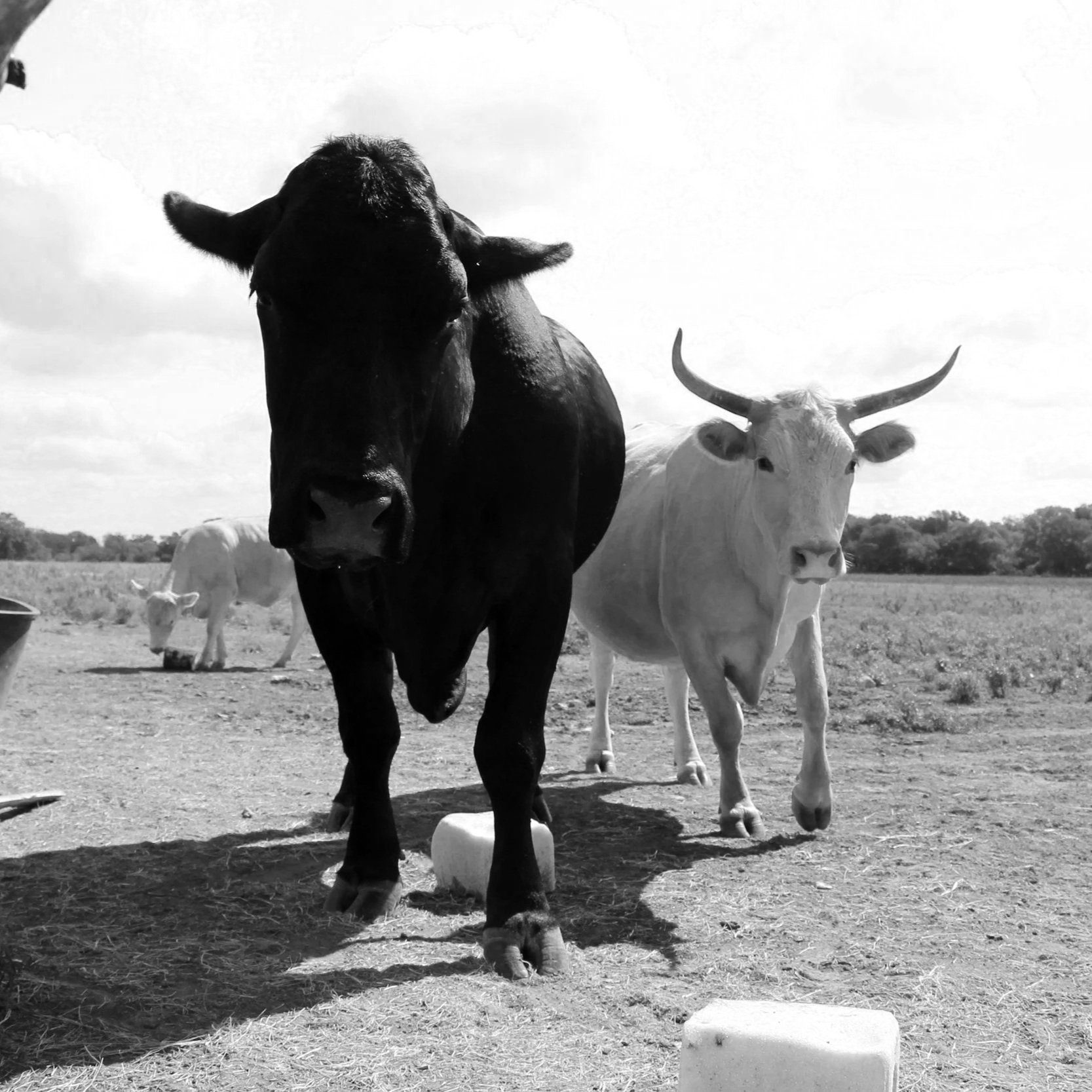
Nowhere is the adoption of blockchain more proactive or advanced than in the Brazilian livestock sector. Driven by the urgent need to address deforestation concerns in the Amazon and Cerrado biomes, major players have integrated blockchain to meet the zero-deforestation commitments demanded by global buyers. JBS, the world’s largest meatpacker, has been a pioneer in this space, deploying its "Transparent Livestock Farming Platform" since 2021. This system creates an immutable, tamper-proof record of transactions and enables comprehensive socio-environmental monitoring across the entire cattle supply chain. By 2025, JBS reported that it had enrolled over 80% of its annual cattle purchases into this blockchain-enabled system, aiming for a completely deforestation-free supply chain.
The sophistication of these systems is breathtaking. Companies like Minerva Foods are integrating blockchain with a suite of high-tech tools, including satellite imagery, artificial intelligence, and electronic ear tags for animal-level origin verification. This allows for the tracing of hundreds of thousands of animals, ensuring that every record is auditable and that risks tied to environmental hotspots are significantly mitigated. Brazilian startups like Ecotrace have further expanded this model, moving from beef into poultry and other sectors, focusing on the farm-level data necessary for export compliance. For the European importer, this means the "Guia de Trânsito Animal" and other legacy paper-based systems are being superseded by a digital infrastructure that cuts fraud risks and supports ambitious ESG goals.
The Awakening of the Coffee Sector - A Specialty Revolution
While the beef industry has moved with the weight of giants, the Brazilian coffee sector is experiencing a more fragmented but equally powerful transformation. Blockchain is emerging strongly in specialty and export-oriented segments, led primarily by forward-thinking cooperatives. Expocacer, a major cooperative, launched its "Coffee Chain" platform in 2025, partnering with blockchain and AI specialists to enable full traceability from the farm to the buyer. This integration does more than just track a bean; it reduces bureaucracy, secures transactions, and fosters direct global connections that were previously obscured by layers of intermediaries.
In late 2025, the industry witnessed its first blockchain-based online auction, an event designed to prove sustainability credentials while unlocking billions in trade value. These platforms capture granular data on farming practices, processing methods, and eco-impact, effectively creating a "farm-to-cup" narrative that high-value premium markets now demand. By utilizing IoT sensors for soil and climate data and feeding this information directly into blockchain ledgers, Brazilian producers are differentiating their products as low-carbon and deforestation-free. For European roasters, this technology offers a way to bypass the uncertainty of unverified claims and move toward a model of verifiable sustainability.

The Mechanics of Trust - How the Digital Ledger Operates
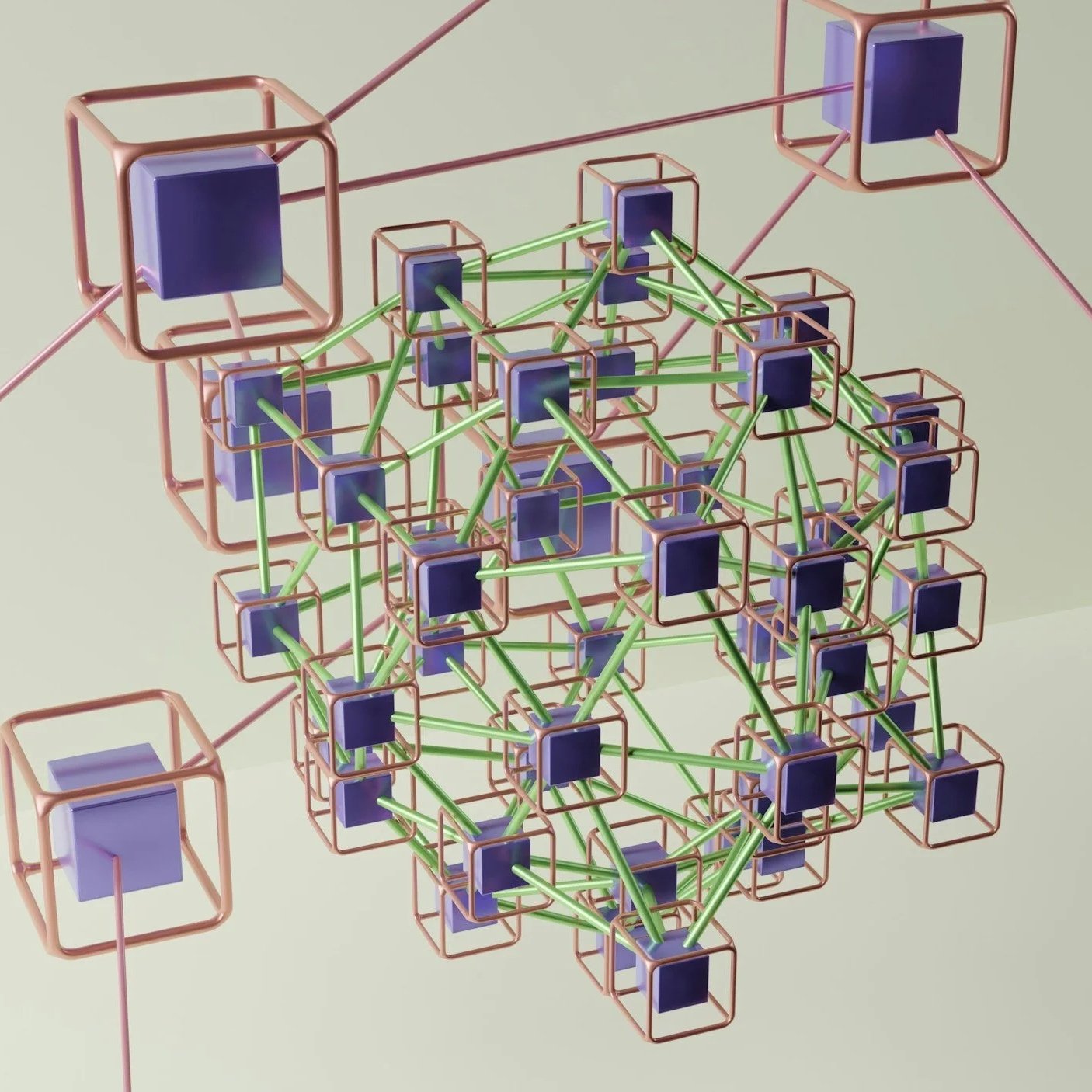
To understand why blockchain is the pragmatic solution to real reputational and regulatory risks, one must look at its mechanical role in the supply chain. It functions as a decentralized, immutable ledger that is tailor-made for complex agricultural flows where opacity has historically bred fraud. At the farm level, producers use mobile applications to log GPS polygons of their land, harvest dates, and certification data. Once this data is recorded, it becomes a "digital identity" for that specific batch, and the process of "hashing" ensures that no alterations can be made without detection.
As the product moves through the chain—from cooperatives to processors and eventually to shippers bound for European ports—every single hand-off is timestamped and recorded. Smart contracts can then be utilized to automate verifications, immediately flagging any lot that is mixed with non-compliant products or that fails to meet the required environmental standards. When the goods reach the EU, importers can submit due diligence statements backed by this blockchain-linked evidence, allowing authorities to conduct rapid satellite cross-checks and verify that no post-2020 deforestation occurred. This digital audit trail can slash the time required for inspections from weeks to mere hours, potentially reducing costs by as much as US$ 230 per ton.
The Southern Cone
While Brazil often commands the spotlight as the regional titan of agricultural technology deeply applied in the value chain, a wider lens reveals that the entire Southern Cone is currently undergoing a synchronized digital metamorphosis. For the European executive, understanding the nuances between Brazil and its Mercosur neighbors—Argentina, Uruguay, and Paraguay—is no longer a matter of academic interest but a prerequisite for securing high-integrity supply chains. Each of these nations has carved out a unique path toward transparency, dictated by their specific economic pressures, legacy systems, and the looming December 2025 enforcement of the EU Deforestation Regulation.
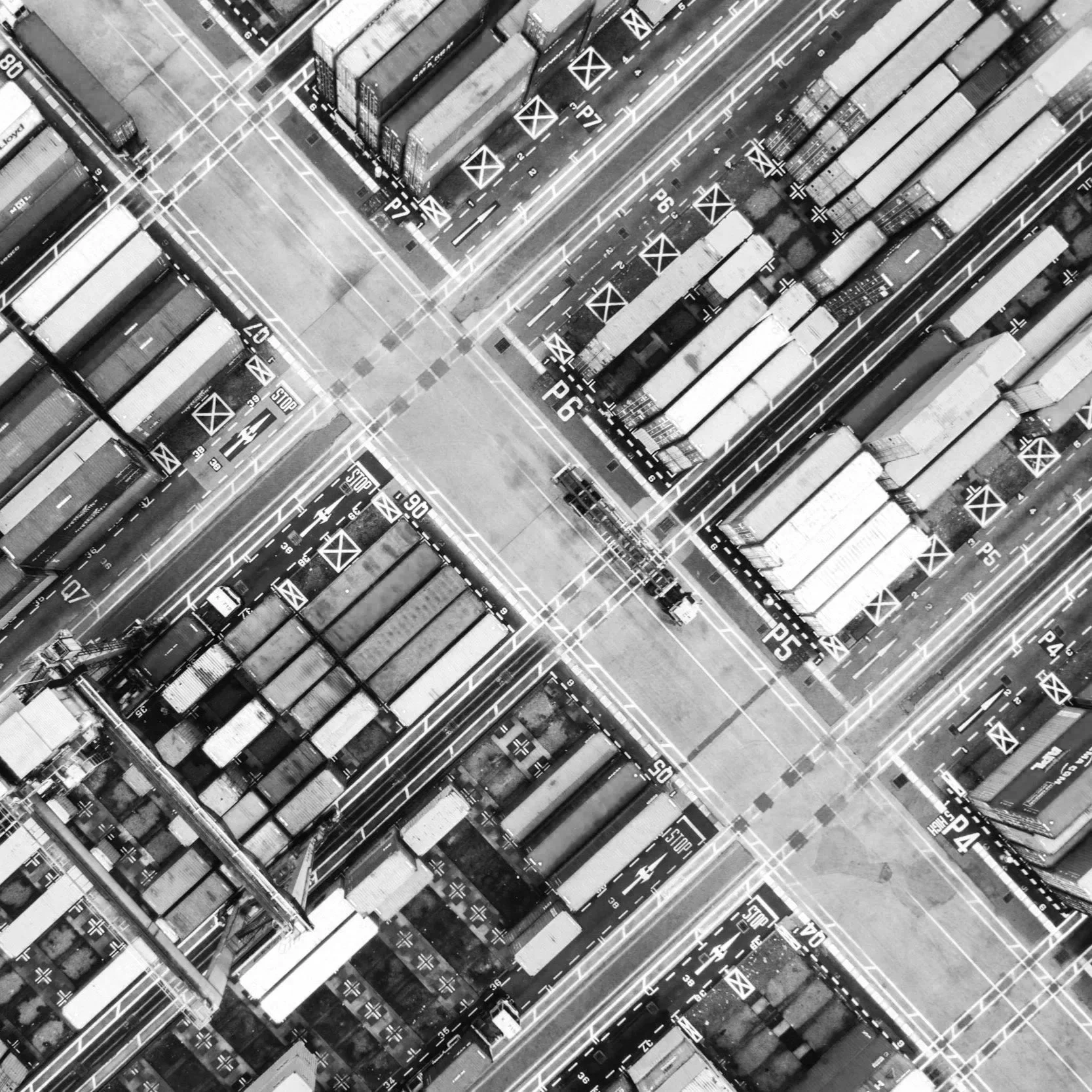
Argentina, perhaps the most naturally aligned with the European penchant for technological sophistication, has positioned itself as the second "AgTech" laboratory of the continent, after Brazil. Unlike Brazil’s model, which is often driven by the sheer scale of global conglomerates, the Argentine blockchain landscape is defined by a bottom-up innovation culture. Here, companies like GrainChain are revolutionizing the massive soy and grain sectors by integrating IoT sensors directly with decentralized ledgers. This solves a fundamental friction point in Argentine trade: the trust deficit between producers, silos, and international buyers. By automating the measurement of commodities and triggering instant, smart-contract-based payments, Argentina is moving toward a system where "data is the new collateral." For European importers, the Argentine model offers a particularly compelling solution for the "carbon data gap." Recent initiatives, such as those led by Plataforma Puma, have demonstrated that using localized, blockchain-verified primary data can reveal carbon footprints up to twenty times lower than the generic international default values often used in Brussels. This presents a strategic opportunity for European brands to claim a significantly higher sustainability alpha by sourcing from verified Argentine plots rather than relying on regional averages.
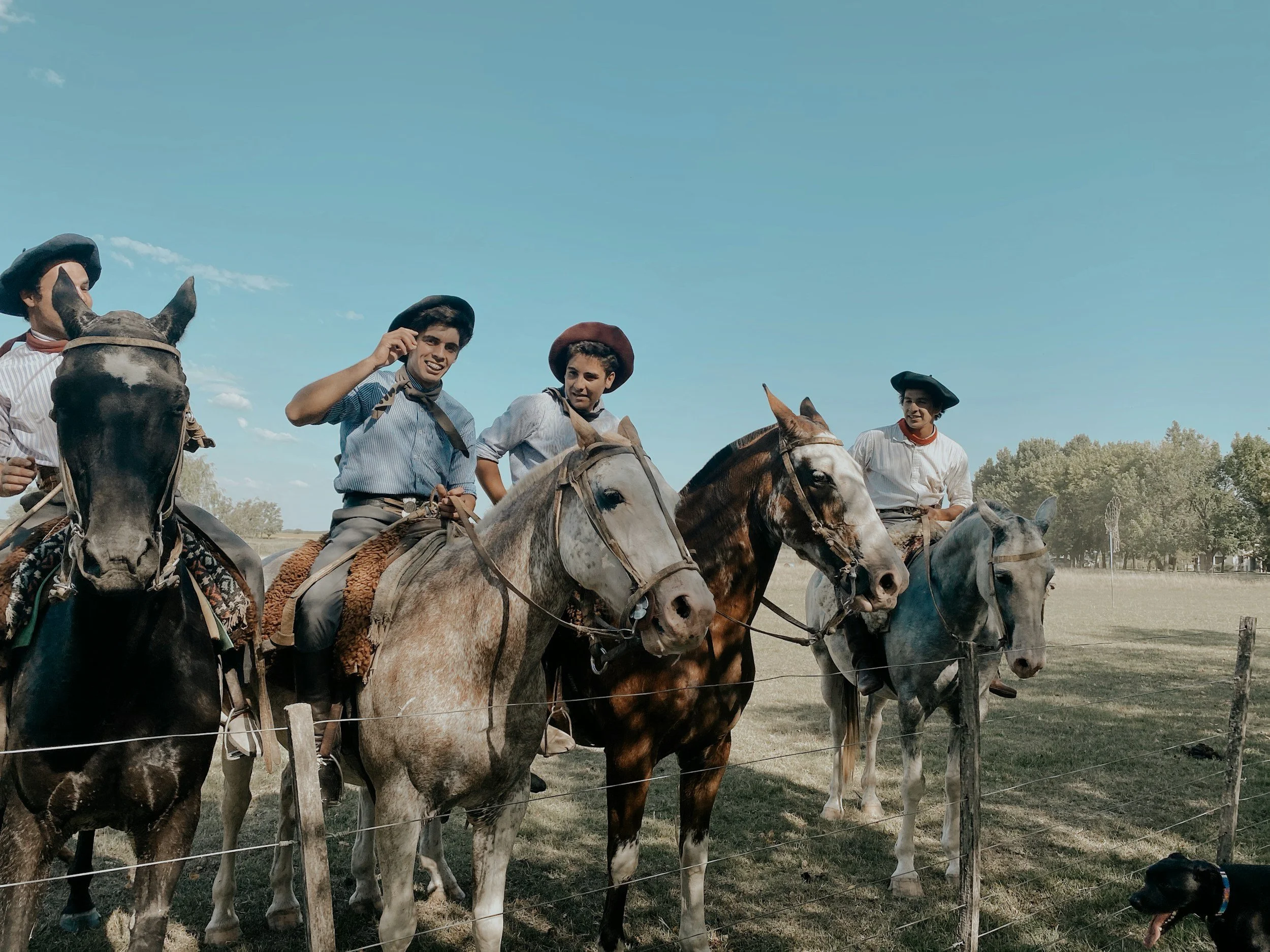
Argentine folklore
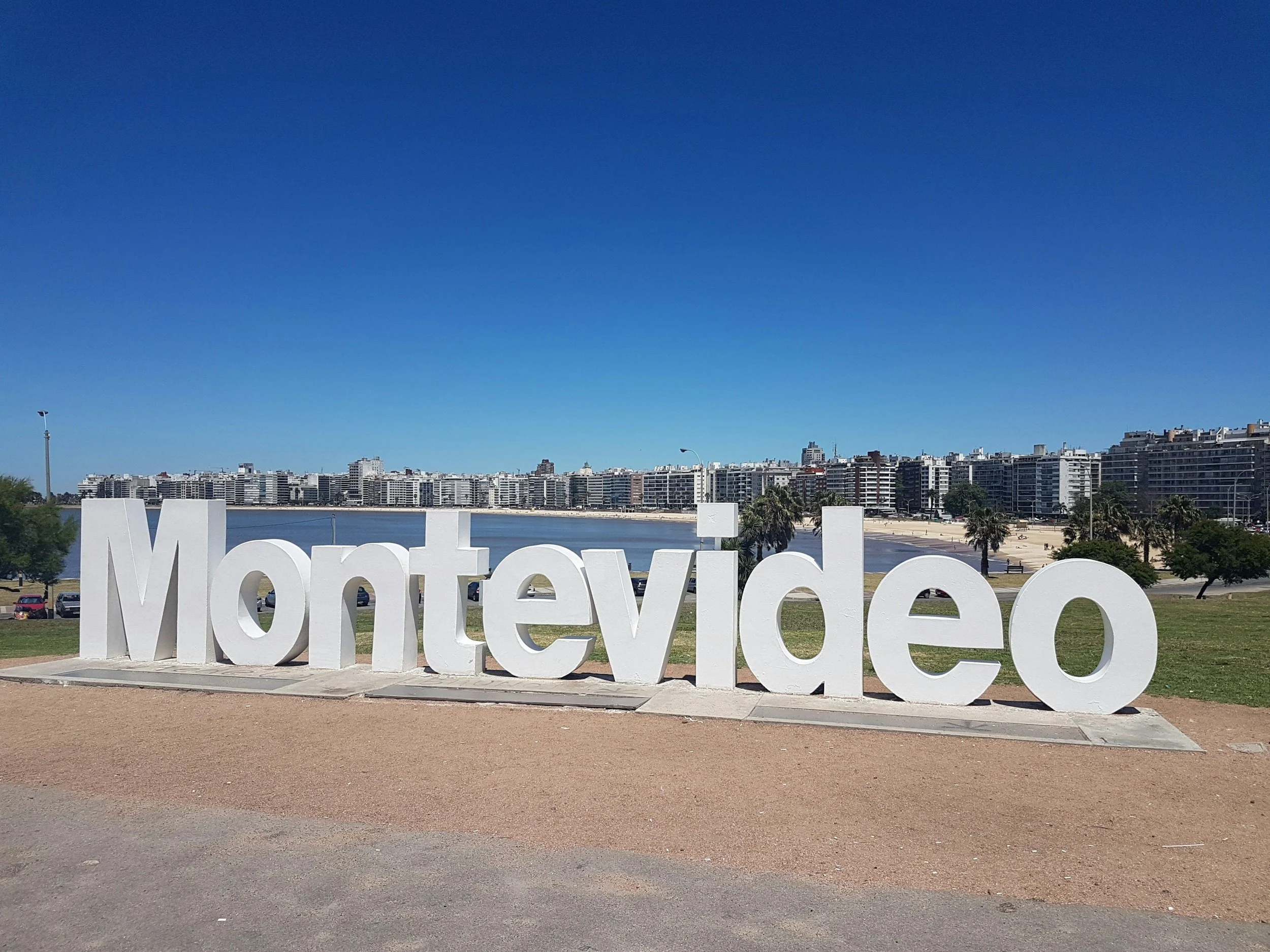
Uruguay, by contrast, represents the "Gold Standard" of state-led traceability, providing a blueprint that even Brazil is eager to emulate. While other nations are building digital infrastructure from scratch, Uruguay has maintained a mandatory, individual cattle-traceability system for decades. The transition to blockchain in the Uruguayan context is not about establishing basic visibility—which they already have—but about "amplified traceability." The platform Carnes Validadas has pioneered the use of Non-Fungible Tokens to represent individual animals, creating a "Digital Twin" for every cow on the blockchain. This allows for the recording of "life events," such as specific pasture rotations or carbon-neutral certifications, which are then immutable. For a European luxury hotel group and a premium retailer, Uruguay offers the lowest-risk entry point into a blockchain-verified supply chain. The infrastructure is not a pilot; it is a national institutional reality, now being augmented by decentralized trust to ensure that the "Uruguay Brand" remains synonymous with premium, ethical quality.
Paraguay represents the most urgent and perhaps most strategically interesting case for the forward-looking manager. As a landlocked nation with a heavy reliance on the beef and soy sectors, Paraguay faces a unique vulnerability to the EU Deforestation Regulation. A significant portion of Paraguayan soy is exported indirectly through Argentine and Brazilian processing hubs, creating a complex "compliance lineage" that has historically been difficult to track. However, this pressure is acting as a powerful catalyst for modernization. We are seeing a rapid emergence of platforms like TraceX, which are specifically designed to bridge the gap between smallholder multi-farm networks in high-risk regions like the Chaco and the strict documentation requirements of German or French importers. The Paraguayan strategy is one of survival through radical transparency. For European companies, Paraguay offers a "first-mover" advantage; as the country races to digitize its land-use records and integrate them with blockchain-backed due diligence statements, early partners can secure high-volume supply at competitive rates before the rest of the market catches up to the new reality of verified compliance.
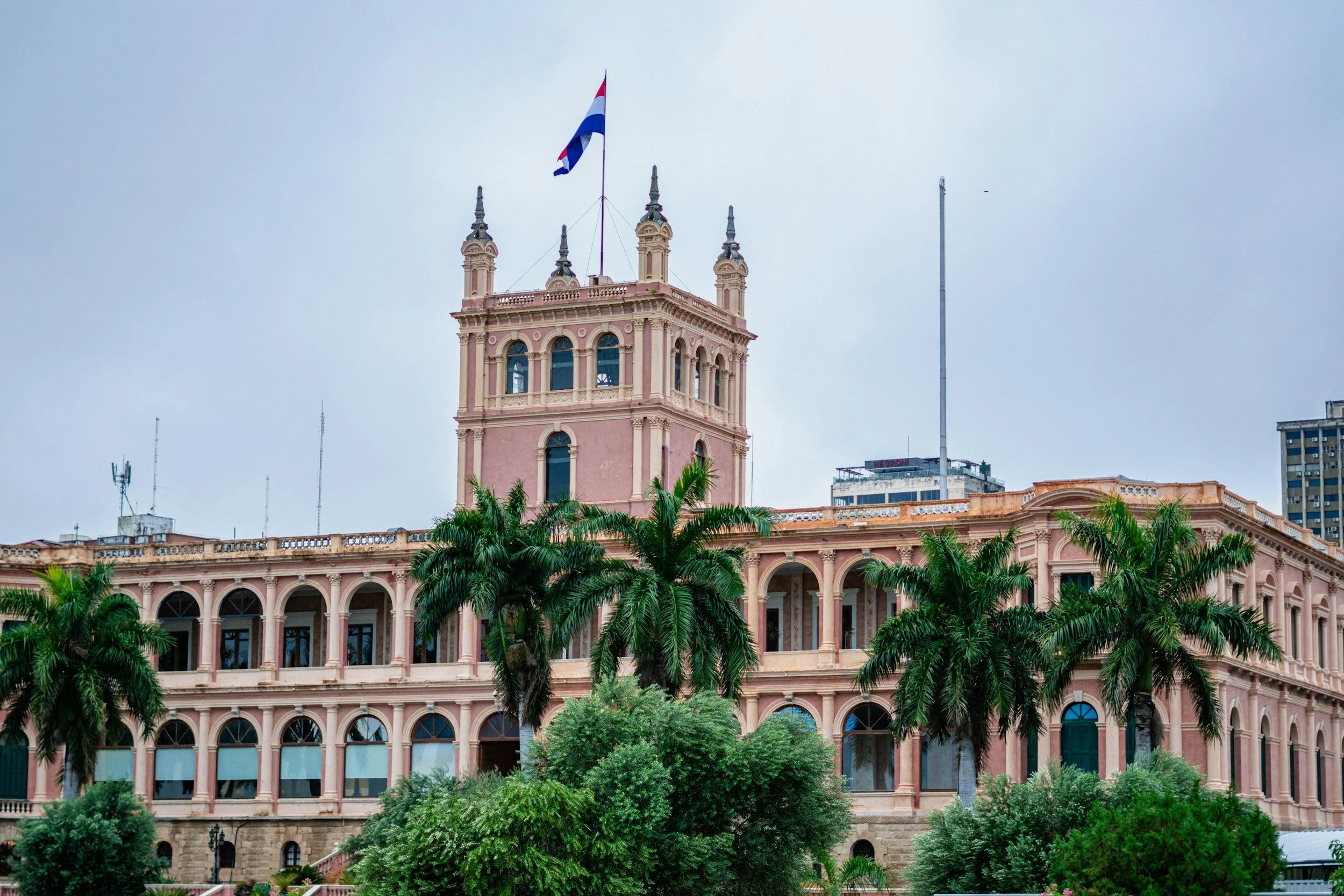
The ARTI Trap
The geopolitical chessboard has, however, seen a significant shift with the signing of the U.S.-Argentina Agreement on Reciprocal Trade and Investment (ARTI) in early February 2026. This pact is more than a simple trade deal; it is a strategic maneuver that introduces a "security veto" into the Southern Cone’s economic architecture. ARTI explicitly grants the United States a framework to coordinate with Buenos Aires on investment security and export controls for sensitive technologies, including the very blockchain systems we are now relying on for trade integrity. By positioning blockchain as a national security asset, the U.S. now has a mechanism to scrutinize or even discourage European investments if they are interpreted as contrary to Washington’s strategic interests—a move that could effectively neutralize the competitive edge the EU-Mercosur agreement sought to build. Furthermore, ARTI’s rejection of the European Union’s protected Geographical Indications (GIs) for products like feta and camembert represents a direct frontal assault on the regulatory heart of the EU-Mercosur deal, allowing U.S. standards to challenge the EU’s prestige in the Argentine market. For the European executive, this means that the digital infrastructure built today must not only be sustainable and transparent but also "geopolitically resilient." To avoid being sidelined by this American pivot, European firms must move toward localized, open-source blockchain standards that are harder to label as "foreign-controlled" and ensure that their investments are framed as essential for Argentina’s own digital sovereignty rather than mere extensions of Brussels’ regulatory reach.

Strategic Recommendations for the European C-Suite
For European companies, the integration of blockchain in Brazilian agriculture is not just an interesting tech trend; it is a fundamental shift in the landscape of risk management and competitive advantage. Without these systems, the EU Deforestation Regulation could effectively block 20% to 30% of Brazilian exports, creating significant supply chain disruptions. However, those who proactively embrace these digital platforms stand to gain a 2% to 7% rise in agricultural export opportunities by turning regulatory barriers into verifiable proof of quality.
My strategic recommendation for European leaders is to move beyond passive compliance and toward active partnership with Brazilian cooperatives and technology providers.
First, focus on data interoperability. Ensure that your internal procurement systems can seamlessly ingest the blockchain data being generated at the source.
Second, leverage these transparent trails to enhance your own ESG reporting. The ability to tell a consumer that their coffee from Minas Gerais is deforestation-free and produced with fair wages is no longer a marketing luxury; it is a requirement for maintaining brand equity in a conscious market.
Finally, consider the financial advantages of blockchain-linked settlement. Pilots like Brazil’s DREX CBDC show that cross-border payments can be tied directly to compliant data, ensuring that you only pay for products that meet your rigorous standards.
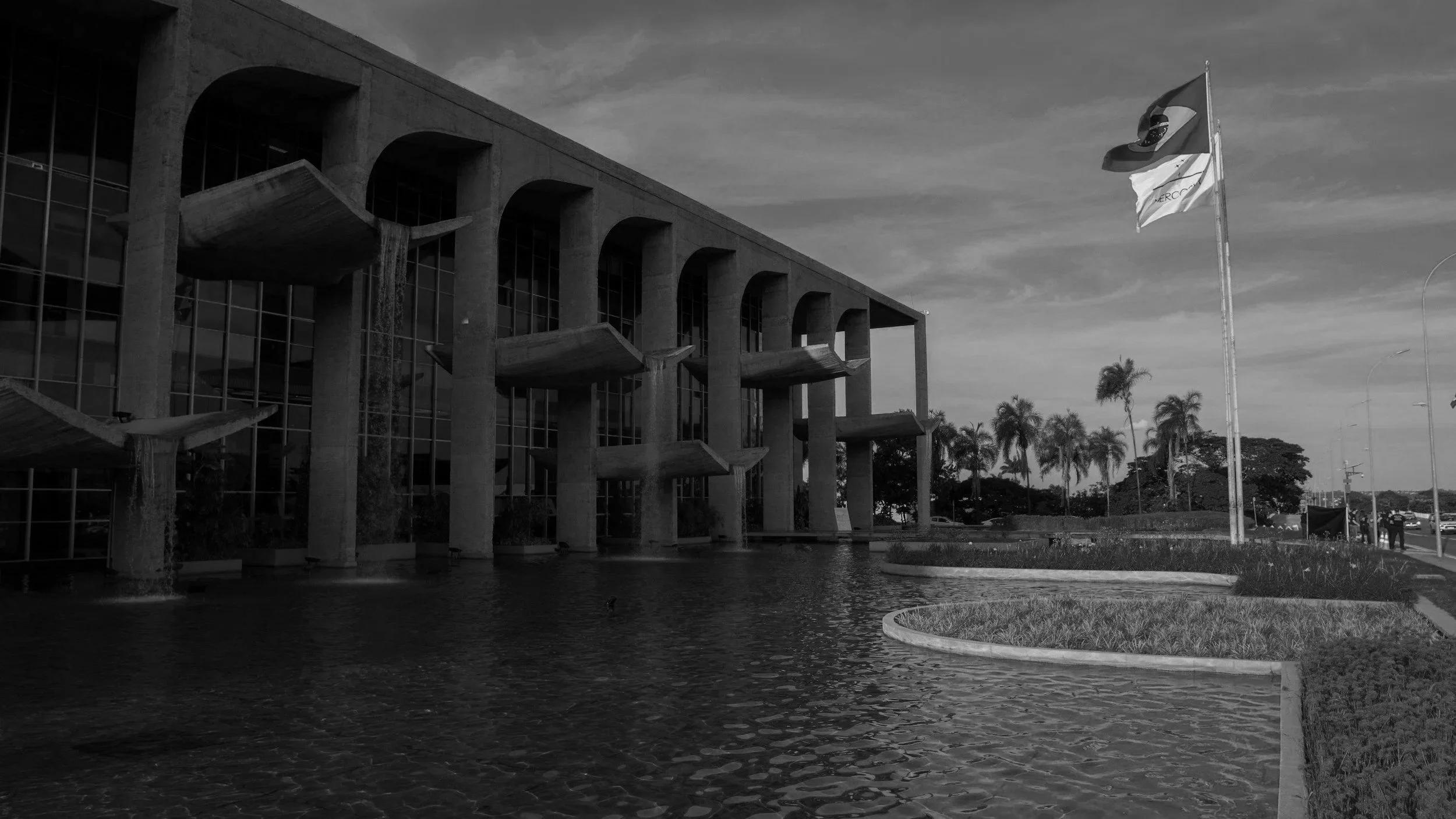
Itamaraty, Brasília (D.F.), Brazil
The strategic recommendation for European C-level positions is to view these four nations not as separate silos, but as a "Digital Trade Bloc." The real value for a European enterprise lies in regional interoperability. Leaders should prioritize partnerships that utilize "cross-border" blockchain protocols—such as the pilots seen with Brazil’s DREX digital currency and Chainlink—which allow for seamless verification as goods move from a Paraguayan farm through an Argentine port to a European table. We are moving toward an era where the competitive advantage of a European company will be measured by the "granularity" of its data. By investing in these digital corridors now, during this eighteen-to-twenty-four-month window of legal review for the EU-Mercosur Agreement, European firms can ensure they are not merely compliant with the law, but are the primary architects of a new, transparent, and highly profitable global trade frontier.
For the European C-suite, the emergence of the ARTI framework dictates an immediate transition from a strategy of passive regulatory compliance to one of active geopolitical resilience. To navigate this new landscape where blockchain is viewed through a security lens, leaders should prioritize the adoption of localized and open-source blockchain protocols that are inherently more resistant to being characterized as "foreign-controlled" sensitive assets by external powers. This technical shift must be accompanied by a calculated narrative shift: investments in the digital infrastructure of South American supply chains should be presented as fundamental contributions to the host nation’s own digital sovereignty and global market competitiveness rather than mere extensions of Brussels’ regulatory reach. By building these robust, interoperable systems now—specifically during the current implementation window of the EU-Mercosur agreement—European firms can ensure that their supply chains remain transparent and auditable while preemptively securing their position against potential strategic interventions. Ultimately, the objective is to transform the supply chain from a point of vulnerability into a platform for deep, localized partnership, where shared data and mutual economic benefit create a resilient shield against the shifting winds of global trade politics.
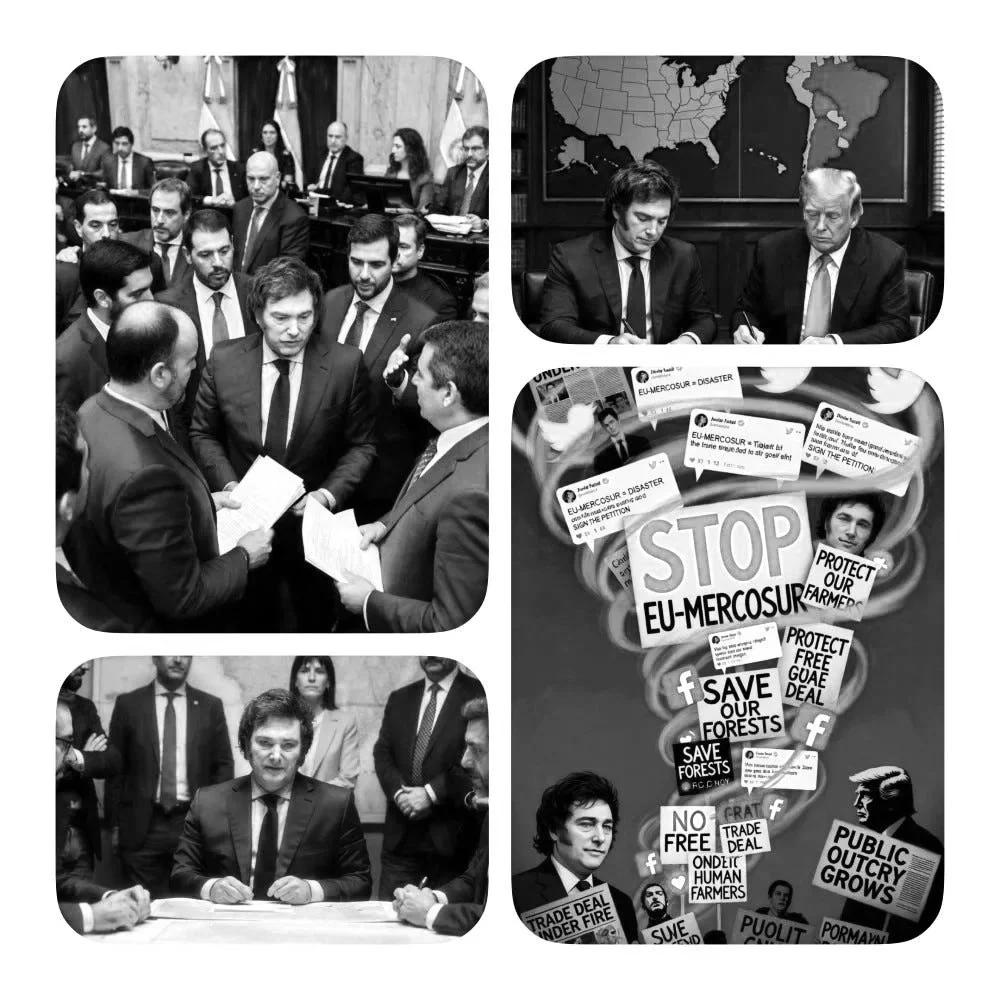
My Take Away - The Inevitability of the Transparent Chain
The era of "shady beans" and unverified beef is coming to a close. In the Brazilian agricultural sector, blockchain has transitioned from a hyped concept to a maturing operational platform that provides a genuine competitive edge. As we look toward 2026 and beyond, the "digital passport" of a commodity will be as important as the physical product itself. By embracing this technology, European companies can secure their supply chains, mitigate legal risks, and build a foundation of trust with a global consumer base that increasingly demands accountability. The EU-Mercosur Agreement provides the framework, but blockchain provides the evidence. The question is no longer whether your company can afford to adopt these systems, but whether it can afford not to.—Frank P. Neuhaus for iMB.Solutions Ltda., São Paulo, Brazil