

The EU-Mercosur Special Editions Series - What do our clients say about the EU-Mercosur Free Trade Agreement? No. 04 Healthcare Sector
The 2026 Brazil Health Revolution: A Strategic Guide for European Investors

For decades, international investors viewed Brazil as a primary-sector powerhouse. However, in 2026, the country has emerged as a sophisticated strategic hub for high-growth healthcare and digital health infrastructure. With a projected GDP of USD 2.41 trillion, the Brazilian economy is systematically dismantling the "Custo Brasil" through structural reforms.
The Demographic Growth Engine
The "Silver Tsunami" is the single largest growth driver in Latin America. As the elderly population surges, the market is pivoting toward chronic disease management and geriatric nutrition. European firms specializing in specialized medical nutrition and elder care will find a market trajectory outpacing many saturated European territories.
Regulatory Transparency and Modernization
The Regulatory Great Reset has introduced the transparency required for long-term capital commitment. ANVISA now aligns with international standards, and the centralized ComprasNet platform allows European firms to access Brazil’s federal procurement market—valued at over €8 billion annually—with reduced administrative friction.
ESG as a Market Entry Requirement
Brazil is turning environmental compliance into a competitive moat. The EU-Mercosur trade agreement now links market access to carbon-neutral operations, specifically requiring a 67% clean energy pedigree for digital services. This positions Brazil as the preferred global partner for sustainable digital services and green pharmaceutical manufacturing.




The Health Revolution - A New Frontier

by Auricio dos Santos, São Paulo, Brazil, June 2026
Preface
As a business consultant and interim manager who has navigated the boardrooms of São Paulo, Buenos Aires, and Frankfurt, I have often observed a curious phenomenon: the persistence of the "Sleeping Giant" narrative. For decades, European and North American investors have looked at Brazil through a prism of untapped potential, perpetually waiting for a future that never quite seems to arrive. They see the vast soybean fields of Mato Grosso and the iron ore mountains of Minas Gerais, categorizing the nation as a primary-sector powerhouse. But while the world was watching the commodities ticker, the giant didn't just wake up—it underwent a sophisticated, data-driven metamorphosis.
Today, Brazil is no longer a promise of tomorrow; it is a strategic hub for high-growth healthcare, digital infrastructure, and a global pioneer in the intersection of trade and sustainability.
With a projected 2025 GDP of approximately USD 2,41 billion, the Brazilian economy has matured into a complex, resilient, and technologically advanced landscape. For the emerging markets strategist, the historical complexity of Brazil—the infamous Custo Brasil—is being systematically dismantled by structural reforms. Nowhere is this more evident than in the pharmaceutical sector. Local production now accounts for approximately 60% of the market, signaling a decisive shift toward industrial modernization and self-sufficiency. This is not merely an exercise in national pride; it is a calculated response to global supply chain vulnerabilities and a demographic shift that is rewriting the rules of the game. This report synthesizes five critical shifts that every C-level executive in Europe must understand to capture the momentum of the Brazil Health Revolution, while situating this giant within the broader, increasingly nuanced Mercosur mosaic.
The Silver Tsunami: Why Aging is Brazil's Biggest Growth Engine

For the better part of the 20th century, Brazil was defined by its youth. It was a nation of young workers, vibrant consumption, and a demographic pyramid with a broad, stable base. That pyramid has inverted with a speed that has caught many off guard. In 2023, approximately 12% of the population was over the age of 65; however, as we move through 2025 and into 2026, we are witnessing a demographic acceleration where nearly 30% of the population is projected to be over the age of 60. This "Silver Tsunami" is not a social challenge; for the savvy investor, it is the single largest growth engine in Latin America. The average age of Brazilian population is 30 years now.
The surge in the elderly population is forcing a structural pivot from acute, episodic care toward chronic disease management and, perhaps most importantly, geriatric nutrition. The medical nutrition market, valued at USD 1,006.1 million in 2025, is projected to reach USD 1,679.7 million by 2034, maintaining a steady compound annual growth rate (CAGR) of 5.86%. This growth is mirrored in the private health insurance sector, which reached a valuation of USD 42,157.36 million in 2024, also growing at a consistent CAGR. As the middle class expands, these specialized services are transitioning from luxury offerings to baseline necessities. Elderly individuals are at a higher risk of malnutrition, and nutritional medical products like supplements high in vitamins, minerals, and proteins play a crucial role in fulfilling these dietary requirements for senior citizens.
For European firms specializing in elder care, chronic disease management, and specialized medical nutrition, Brazil offers a market with a growth trajectory that outpaces many saturated European territories.
The challenge for European entrants is no longer about proving the need, but about scaling the solution to meet a middle class that is increasingly willing to pay for longevity and quality of life.
Regulatory Great Reset - Rewriting the Rules for 2025 and Beyond
Foreign investors seeking stability should look to Brazil’s recent legal modernization. The regulatory environment is being overhauled by two landmark pieces of legislation: the New Public Procurement Law (Law No. 14.133/2021) and the New Insurance Contract Law (Law No. 15.040/2024), the latter of which is set to take full effect in December 2025. These laws provide the transparency and predictability required for long-term capital commitment by streamlining approvals and modernizing procurement.
The centralized e-procurement cycle, known as ComprasNet, now allows foreign firms to bid on massive government contracts without the immediate requirement of a local entity—a mandate that only triggers once a contract is successfully won. This lowers the barrier to entry significantly. Furthermore, comprehensive insurance updates clarify reinsurance and claims processing, reducing the legal friction that historically deterred international players. This reset is particularly vital given that generic drugs now account for 40% of the total pharmaceutical market, necessitating a clear legal framework to manage cost-effective accessibility alongside high-value innovation. The modernized framework is facilitating the entry of new players and innovative products, fostering healthy competition and driving technological adoption throughout the industry. European decision-makers should recognize that ANVISA, the national health surveillance agency, has matured into a sophisticated regulator that increasingly aligns with international standards, making the Brazilian hurdle much more manageable for those with a high-compliance pedigree.
Digital Health as Infrastructure - The USD 84 Million Informatics Bet
Digital health is no longer a peripheral add-on in Brazil; it has become the primary infrastructure for healthcare access. In 2024, the Ministry of Health committed a USD 84 million investment specifically to informatics and digital solutions. This investment catalyzes a move toward telepharmacy and AI-assisted pharmaceutical manufacturing. Strategically, this is where the Informatics Bet meets the Silver Tsunami. Digital tools are becoming the gateway for elderly patients in remote areas to access chronic care management.
While the pharmaceutical market as a whole is projected to grow at a CAGR of 2.09% through 2035, investments in technology-driven drug development are expected to outpace this, growing by 15% annually to meet the demand for precision medicine.
For a European tech firm, Brazil is no longer just a sales destination; it is a testing ground for large-scale digital health ecosystems that can eventually be exported back to the aging populations of Europe.
The scale of the Brazilian Unified Health System (SUS) provides a data lake that is virtually unparalleled, offering European AI developers a unique environment to refine their algorithms in a diverse, high-volume setting. Created in 1990, the SUS is the largest government-run public health care system in the world, by number of beneficiaries/users (virtually 100% of the Brazilian population; 220 million people), land area coverage (8.5 million km2 (3.3 million sq mi)), and number of treatment centers in its affiliation network (with over 50,000 clinics). The system is entirely free of any cost at the point of service for any person, including foreigners.
The Sugarcane Advantage - Brazil’s USD 12 Billion Green Packaging Pivot
Brazil is leveraging its agricultural dominance to lead the circular economy, turning environmental compliance into a competitive market moat. The sustainable packaging market is projected to reach USD 12.4 billion by 2034, expanding at a CAGR of 7.22%. By utilizing materials like sugarcane bagasse and corn starch, Brazil is producing high-performance, biodegradable alternatives to traditional plastics. Crucially, this pivot is being integrated directly into the healthcare supply chain, providing eco-friendly primary and secondary packaging for the medical nutrition and pharmaceutical sectors.
Developments encompass packaging made from natural sources, including corn starch and sugarcane bagasse, such as the Wicket Paper Bag, which is a 100% recyclable, repulpable solution maintaining efficiency without new equipment investments. To ensure transparency, the Recircula Brasil platform now tracks recycled plastics throughout the supply chain. For European firms with strict ESG mandates, the Sugarcane Advantage represents an opportunity to de-risk their supply chain by sourcing packaging that meets both functional medical requirements and the highest environmental standards.
The Clean Energy Trade Quota - A New Global Standard
The EU-Mercosur free trade agreement has introduced a landmark requirement that essentially creates a green moat for Brazilian service providers. Under the deal, digital service providers must originate from countries that utilize at least 67% clean energy to benefit from market access and national treatment. Because Brazil possesses one of the world's cleanest energy matrices—dominated by hydro, wind, and solar—this requirement serves as a barrier to entry for competitors from fossil-fuel-dependent nations.
This shift signals that international trade benefits are now inextricably linked to carbon-neutral operations. It positions Brazil as the preferred global partner for sustainable digital services and green manufacturing. For the European C-suite, this is a strategic signal: setting up operations in Brazil is not just about the local market; it is about qualifying for a global trade environment where a clean energy pedigree is the price of admission.
The Mercosur Mosaic: Argentina and the ARTI Disruption
While Brazil is the undeniable engine of the region, a sophisticated international strategy must account for the diverse strengths and shifting alliances of its neighbors. Argentina, under the radical reformist agenda of the Milei administration, has recently introduced a game-changing variable: the United States–Argentina Agreement on Reciprocal Trade and Investment (ARTI), officially signed in Washington on February 5, 2026. This agreement represents a significant departure from Mercosur’s traditional collective bargaining stance and poses a direct challenge to European suppliers who have historically dominated the Argentine high-tech and medical markets.
The ARTI agreement grants U.S. exporters preferential access to the Argentine market, specifically targeting pharmaceuticals, medical devices, and information technology. Most critically for European manufacturers, Argentina has committed to accepting U.S. Food and Drug Administration (FDA) certificates and prior marketing authorizations as sufficient evidence for local compliance. This means U.S. medical devices and drugs can bypass traditional, lengthy re-testing and local authorization processes that European firms—still awaiting the full implementation of the EU-Mercosur Partnership Agreement (EMPA)—must navigate. For European suppliers, this creates a temporary but dangerous asymmetry. U.S. competitors can now enter the Argentine market with lower administrative friction and zero or capped tariffs on over 200 tariff lines, including machinery and chemicals.
However, the EU-Mercosur Partnership Agreement and the Interim Trade Agreement (iTA), signed in January 2026, provide the necessary counter-balance. European decision-makers must move aggressively to utilize the iTA’s provisions to lock in their own regulatory recognitions before U.S. firms solidify their first-mover advantage under ARTI. The strategic competition in Argentina is no longer just about price; it is about which regulatory regime—EMA or FDA—becomes the de facto standard for the country’s modernized healthcare system.
Understand the ARTI Agreement between Argentina and the U.S.A.
Specialized Hubs - The Swiss and Manufacturing Paradigms
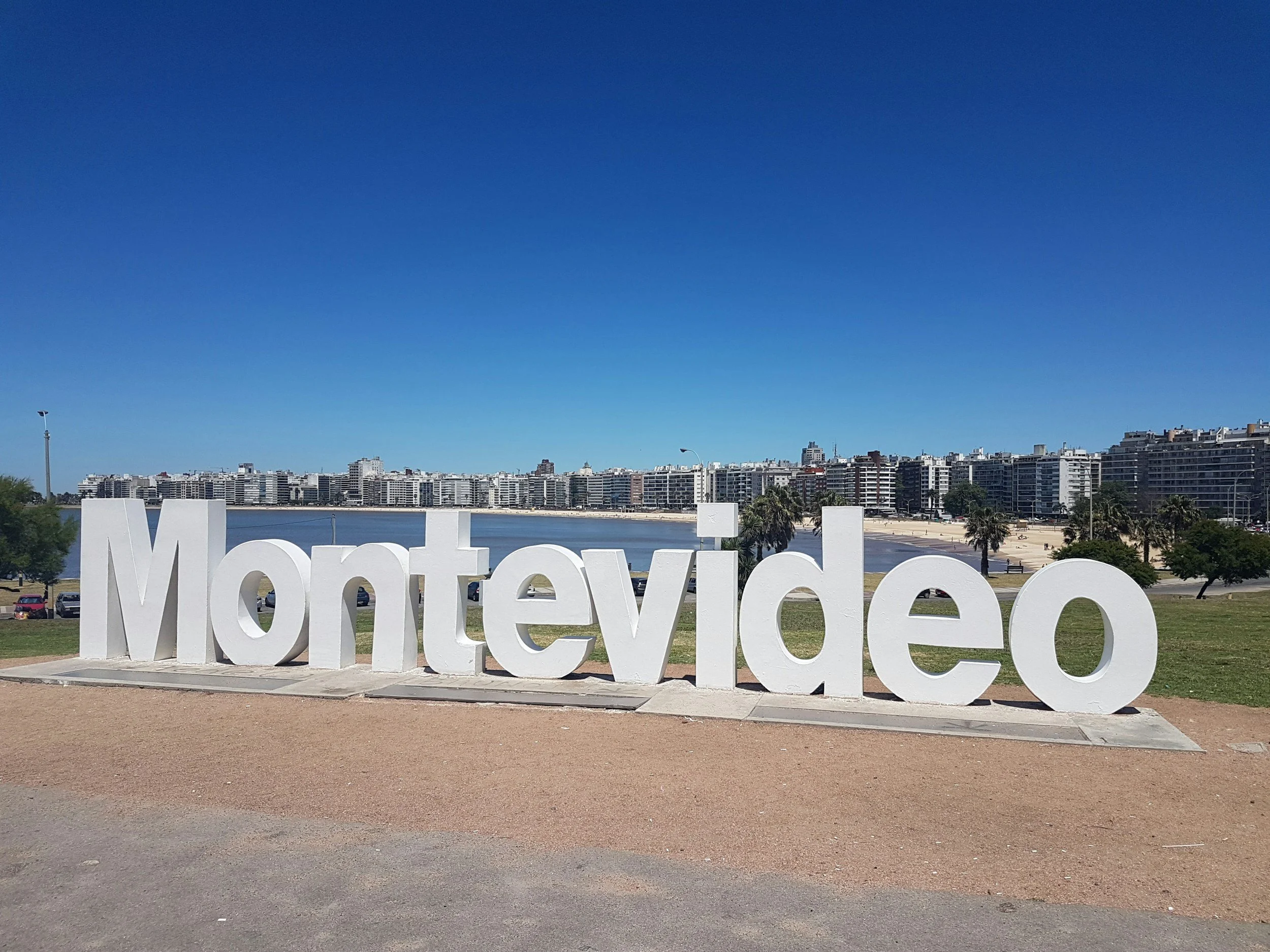
Beyond the giants of Brazil and Argentina, the smaller Mercosur states offer specialized entry points that are often overlooked by European strategy teams. Uruguay has successfully positioned itself as the Switzerland of the South, a hub for deep tech and biotechnology. In 2025, approximately 67% of Uruguay’s deep tech startups were focused on life sciences, supported by a stable institutional framework and a high GDP per capita. For a European firm, Uruguay is not a market for mass-market goods, but rather the ideal location for a regional R&D headquarters. It offers the legal certainty and intellectual property protection that are still maturing elsewhere in the bloc, serving as a safe harbor for high-value European research.
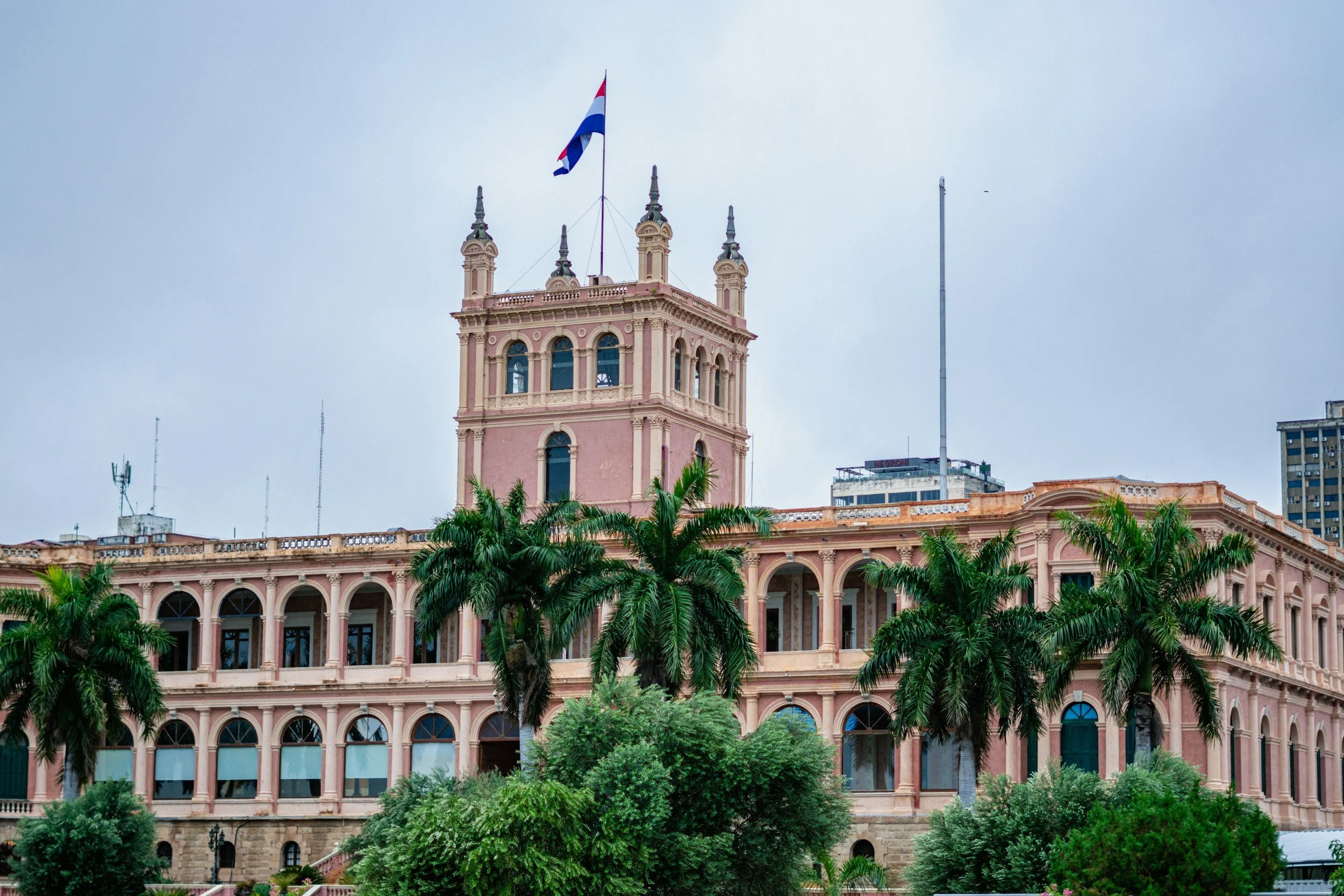
Paraguay, meanwhile, has emerged as the region’s manufacturing and digital outlier. In an impressive feat of modernization, Paraguay achieved 75% digitalization of its health services by 2025. With its recent upgrade to investment grade and a highly favorable tax environment under the Maquila regime, Paraguay is the perfect manufacturing complement to Brazil’s massive consumer base. European medical device producers should consider a "dual-hub" strategy: R&D in Uruguay or Europe, manufacturing in Paraguay, and distribution in Brazil. This trifecta allows for optimized costs, regulatory safety, and maximum market reach within the Mercosur trade zone.
A Provocation for the Future - The Strategic Mandate
The Brazil of 2026 is a nation that has synthesized technological adoption with urgent social function. By addressing its aging demographic through specialized nutrition and digital informatics, and protecting its market through clean energy trade quotas, Brazil is no longer just a participant in the global economy—it is a trendsetter. Success in this market now requires a synthesis of tech adoption and environmental awareness.
European investors must ask: Is your organization prepared for a global trade environment where market access is contingent on 67% clean energy quotas? Are you ready to compete in Argentina against U.S. firms that now enjoy "express lane" regulatory approvals under ARTI? Brazil and its neighbors have already decided their path. The region is no longer a sleeping giant; it is a hyper-connected, green-powered, and demographically shifting powerhouse. For the European executive, the window of opportunity is wide, but the requirements for entry have never been more sophisticated. The giant is awake, it is digital, it is green, and it is waiting for partners who can match its new speed.