

The EU-Mercosur Special Editions Series - What do our clients say about the EU-Mercosur Free Trade Agreement? No. 01 Automotive Industry
The Great Transatlantic Bridge: A Modernization Mandate for a New Era

As the dust settles in Asunción following the historic signing of the EU-Mercosur Trade Agreement in January 2026, the global business landscape has shifted. For the C-suite and project leaders navigating the corridor between Europe and South America, this is no longer a debate about if a new era will begin, but how to lead within it.
At iMB.Solutions, we recognize that this pact is more than a collection of lowered tariffs; it is a profound modernization mandate. We are witnessing the birth of one of the world's largest free trade areas—a market of over 700 million people representing roughly 20% to 25% of global GDP.
The Geopolitical Anchor
In a world increasingly defined by protectionist winds from the U.S. and industrial subsidies from China, this agreement serves as a critical institutional anchor. It provides a legal framework to shield South American industry while offering European companies a secure path to diversify supply chains, particularly in critical minerals like Lithium and Niobium.
Navigating the 2026 Roadmap
While the "finish line" was crossed in Asunción, the legal and strategic transition is now in full swing:
Provisional Application: The Interim Trade Agreement (iTA) is ready for deployment, allowing trade provisions to take effect once internal ratifications—led by Argentina—are complete.
Legal Scrutiny: The European Court of Justice is currently reviewing the "splitting" of the agreement to ensure compatibility with EU treaties.
Economic Momentum: Upon entry, the deal will eliminate tariffs on over 90% of bilateral trade, generating an estimated €4 Billion in annual duty savings for EU exporters and supporting up to 900,000 jobs across both regions.
What to Expect: Our Sectoral Deep-Dives
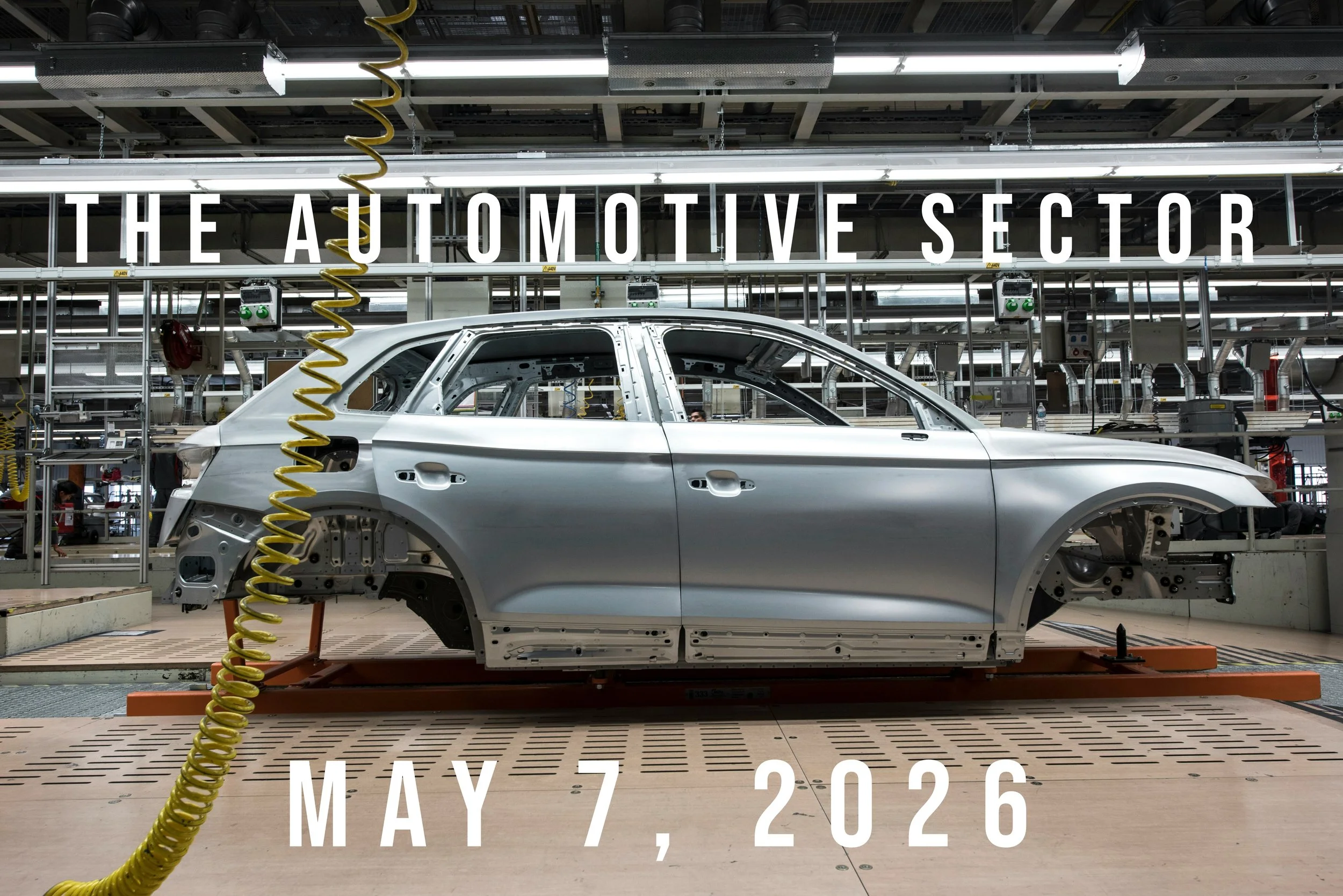
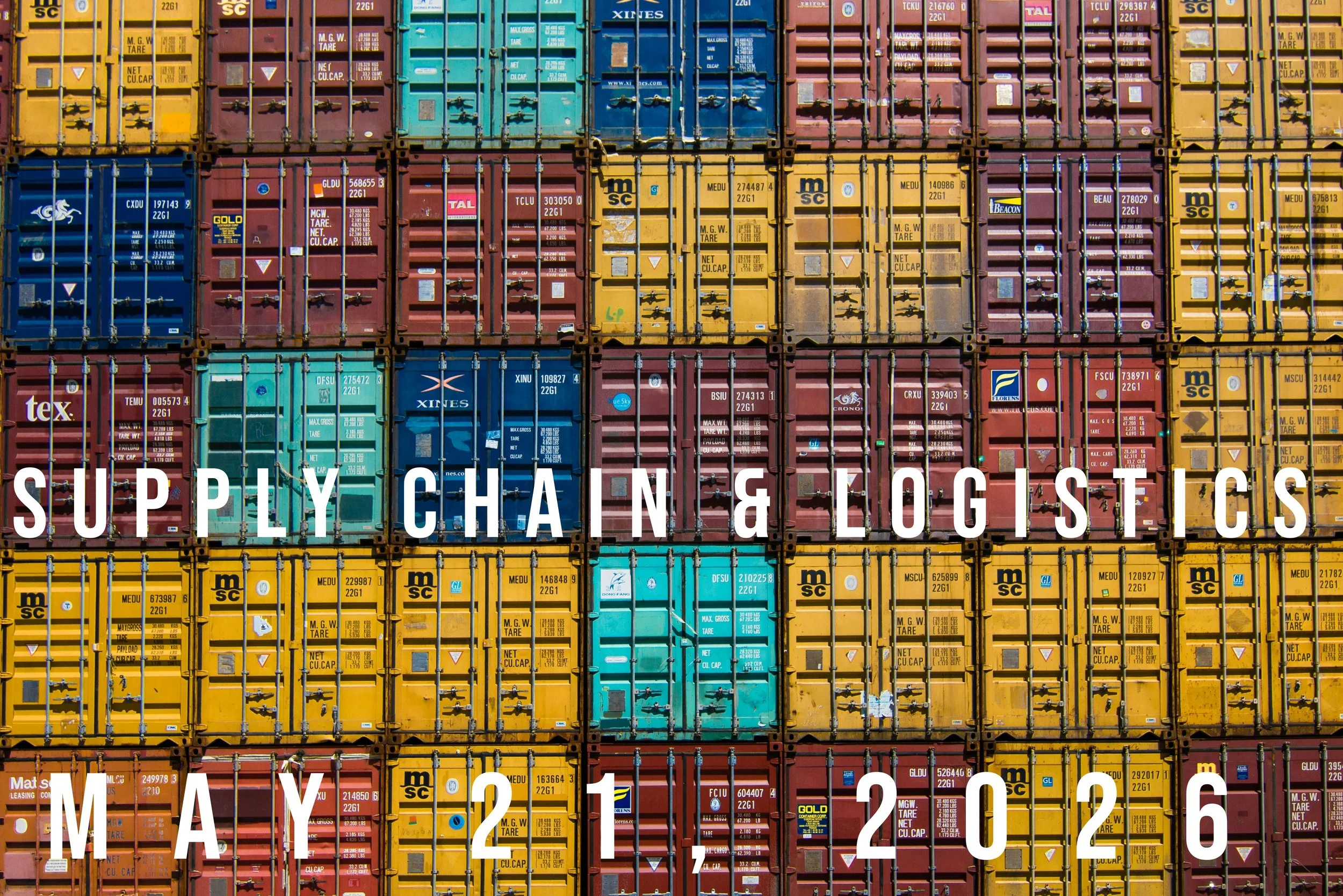
Over the coming weeks, this special edition newsletter will dissect the "win-win" narrative through the lens of specific industries. The transition window of 2026–2030 will be one of intense adaptation. Since Q3 2025, we have been actively supporting both former and new clients on projects as they adapt their local organizations—particularly in Brazil—to the new realities shaped by the free trade agreement. This work, in which we remain deeply involved, encompasses significant organizational adjustments and a strategic realignment of business models. Notably, half of these clients are new to us and are seeking to establish a presence in the Mercosur economic zone in response to the agreement. They come from diverse sectors, including automotive, service providers, component suppliers for the expanding Brazilian data center market, supply chain and logistics, healthcare, and agriculture.
We will conclude this special edition with a closer look at an agreement that is rarely discussed in business circles: the ARTI Agreement between Argentina and the United States, which aims to neutralize aspects of the EU-Mercosur Agreement. We have already published several articles on this topic in recent months. By mid-June 2026, we plan to take stock of the situation and work closely with our clients to evaluate the actual impacts that can be expected—or whether any meaningful consequences will materialize at all. After all, there remains the distinct possibility that the ARTI Agreement is little more than political posturing, primarily intended to channel necessary capital from the U.S. to Argentina in order to avert a potential default on the Rio de la Plata.




Regional Realities: Brazil and Argentina
Success requires navigating the distinct hurdles of the Southern Cone.
In Brazil, the focus is on overcoming the "Brazil Cost" through the 2026 Tax Reform, which introduces a VAT model (CBS and IBS) to simplify a notoriously convoluted system.
In Argentina, the challenge is macroeconomic stability. While the RIGI incentive regime signals an opening to foreign capital, firms must still navigate long-term predictability cycles.
The Bottom Line
The EU-Mercosur pact is a strategic shield against global fragmentation. For business leaders, the message is clear: the time to scout partnerships and map out expansion is not when the final "i" is dotted, but now.
The bridge is built. In this special series, we will provide the blueprints to help you cross it with confidence.—Frank P. Neuhaus for iMB.Solutions Ltda.

Frank P. Neuhaus - Founder of iMB.Solutions and interim manager/manager on-demand for international project missions
The Great Realignment: Can Brazil’s Auto Industry Survive the Open Road?

by Frank P. Neuhaus
After twenty-six years of glacial negotiations, the diplomatic ink is finally dry. On January 17, 2026, in Asunción, Paraguay, the EU-Mercosur free trade agreement was formally signed, signaling the end of an era for one of the world’s most protected automotive markets. For decades, the "Brazilian fortress" was guarded by a formidable 35% import tax. Now, as those walls begin to crumble, the domestic industry faces an existential ultimatum: innovate and achieve global competitiveness, or retreat into a secondary role as a mere sales outpost for European-made machines. This isn't just another treaty; it's a turbocharge that could redefine supply chains, competitive edges, and market dynamics for every executive navigating the Latin American landscape.
As an interim manager and consultant working across the Brazil, USMCA/Mexico, and South American corridors, I have watched this negotiation evolve from a hopeful dialogue into a geopolitical necessity. But just as the ink dried in Asunción, a second seismic shift occurred: the signing of the Agreement on Reciprocal Trade and Investment (ARTI) between Argentina and the United States on February 5, 2026.
For European automotive executives and suppliers, this dual-track reality represents both a generational opportunity and a complex competitive threat. We are no longer looking at a simple bilateral opening. We are witnessing a high-stakes race for market dominance in a region that is simultaneously liberalizing with Europe and pivoting toward a deep, standards-aligned partnership with the United States. To survive and thrive in this new Atlantic architecture, European firms must move beyond traditional "export-and-sell" mindsets and embrace a sophisticated, multi-hub strategy that accounts for shifting tariffs, Chinese triangulation, and the newfound American "head start" in the Argentine market.
The Sunset of the 35% Tariff and the New Strategic Horizon
The centerpiece of this historic agreement is the gradual, deliberate dismantling of trade barriers that have long dictated the composition of Brazil's streets. For executives, the timeline is the most critical variable in their strategic planning, and understanding these phases is paramount to staying ahead of the curve. Currently, Brazil slaps a hefty 35% import tax on European vehicles, a policy that has kept supply tight and prices steep for years. Under the new terms, this tariff for combustion-engine cars will phase out to zero over a 15-year period. Recognizing the European Union's aggressive green agenda and Brazil's own evolving energy landscape, electric vehicles are granted an even longer transition period of 18 years to reach the zero-tariff mark.
The immediate impact of these changes will be felt most acutely in the premium segment. High-end models currently priced north of $30,000 are expected to see the most aggressive price corrections as the tax burden begins its descent. For prestigious brands like BMW, Mercedes-Benz, and Jaguar Land Rover, the traditional math of maintaining local assembly just to bypass trade walls is about to be put to the ultimate test. This is not merely a cost-cutting exercise; it is a fundamental shift in how premium automotive value is delivered to the South American consumer. Without that 35% tax baked into the sticker price, luxury rides will become increasingly accessible to a broader swath of Brazil's affluent consumers, from executives upgrading their corporate fleets to urban professionals finally splurging on high-end SUVs.
For the European executive, this phase-out schedule is a double-edged sword. On one hand, it allows for a gradual transition of logistics and sales infrastructure. On the other, it requires a long-term commitment to a market that will remain highly competitive throughout the transition. The association of Brazilian automakers is currently in a state of quiet study, assessing the impacts, but the consensus among top-tier consultants is clear: the domestic industry faces an existential ultimatum. It must either shrink and become a mere importer or radically raise its level of competitiveness to match the scale and efficiency of European production hubs.
The Manufacturing Paradox and the Risk to Premium Local Production
The agreement creates a peculiar and intense tension for brands with existing footprints in Brazil. Currently, major players such as BMW in Santa Catarina and Audi in Paraná operate local plants primarily to circumvent the high import duties that would otherwise render their products uncompetitive. However, a manufacturing paradox looms on the horizon. If the cost of importing a finished, high-specification vehicle from a high-scale European plant drops below the total cost of local assembly—a process often hampered by Brazil’s notoriously complex tax burden—these "premium factories" may face rapid obsolescence.

Managers must recognize that Europe's massive economies of scale frequently trump Brazil's local manufacturing complexity.
A factory in Germany or Hungary might produce over 200,000 units annually, achieving efficiencies that a Brazilian or Argentine assembly line, often operating at just 10% of that capacity, simply cannot match.
By 2030, the scale advantage of a European "Mega-factory" combined with a reduced tariff will likely result in a landed cost lower than the unit cost of a low-volume Brazilian and Argentine line. This signals that some brands may eventually decide to idle their lines or scale back operations to focus solely on distribution, preserving profits while minimizing on-ground operational risks.
This is not necessarily a narrative of doom, but rather a call to strategic action. Brazilian operations must innovate aggressively to remain relevant, perhaps by integrating more local content where it makes sense or pivoting to hybrid models that blend European technology with Mercosur manufacturing prowess.
For global managers, this might mean rethinking assembly footprints—perhaps consolidating in the most cost-effective locales while leveraging the deal's provisions for just-in-time imports. The goal is to turn potential manufacturing threats into streamlined alliances.
This signals a potential realignment where brands may choose to reduce or even shutter local operations to focus exclusively on the sales of imported vehicles. The trade balance is poised for a significant shift; while Brazil produces entry-level vehicles that hold little appeal for the sophisticated European consumer, high-end European products fit perfectly into the burgeoning domestic demand for luxury and technology. This opening is not restricted to traditional premium brands. Top-of-the-line volume products from Volkswagen, Stellantis, and Renault will likely find a more receptive audience in Brazil as price points drop, potentially hollowing out the upper-middle segment of domestic production.
The "Made in Europe" Chinese Strategy and the Hungary-to-Brazil Corridor
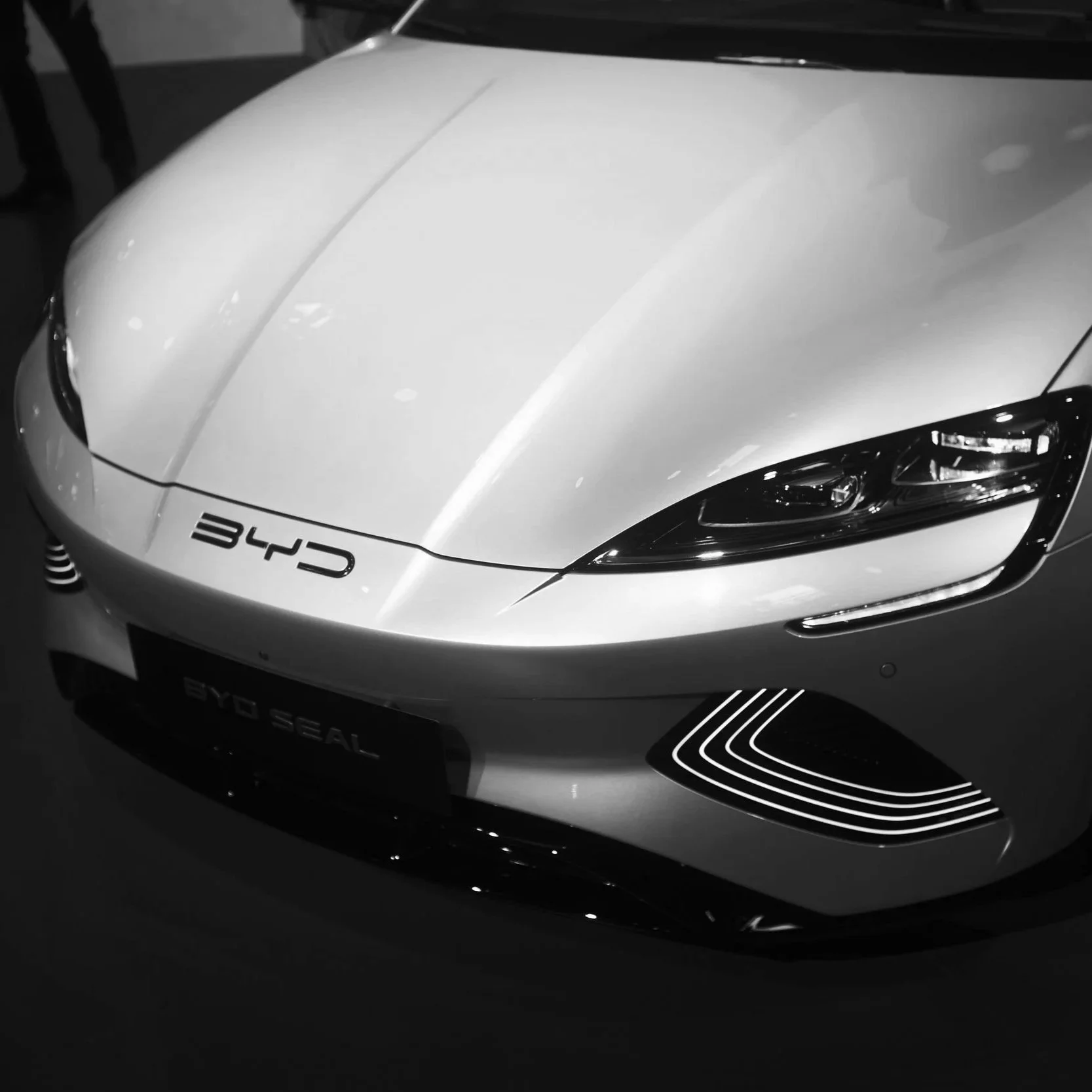
Perhaps the most sophisticated and "intriguingly twisty" maneuver resulting from this deal is the "triangulation" of Chinese manufacturers. Brands like BYD and Great Wall Motor (GWM) are no longer looking at the Brazilian market solely from their headquarters in Shenzhen; they are increasingly viewing it through the lens of Budapest and Spain. BYD, for example, is currently investing approximately €4 billion (equivalent to roughly US$ 5 billion) in a massive production hub in Hungary, which is slated for full operation by 2026. This facility is designed for full-scale production, including critical components like batteries and chips.
By leveraging Hungary’s status as an EU member, BYD could theoretically export "European-made" cars to Brazil at the 0% tax rate established by the new pact. This strategic move allows them to bypass the 16% to 18% tariffs currently levied on completely knocked down or semi-knocked down kits coming directly from China. For the Brazilian executive, this represents a shifting competitive landscape where Chinese-driven innovation and value meet European trade privileges. While stricter European emissions rules push these firms toward electrics, their hybrid lineups actually match Brazilian consumer tastes perfectly—efficient, eco-friendly, and wallet-friendly. Ignoring this triangulation could be like bringing a knife to a laser fight; proactive adaptation is the only way for established European and Brazilian players to counter this influx.

The Argentina Pivot: The ARTI Shadow and the American Head Start
While much of the focus has been on Brazil, the recent signing of the ARTI agreement between the United States and Argentina introduces a profound new variable for European suppliers. Argentina, under the Milei administration, has aggressively repositioned itself as a key strategic partner for the current United States administration in Washington. The ARTI deal, signed in February 2026, focuses on reciprocal trade and investment, lowering barriers for U.S. motor vehicles, machinery, and agricultural products. For European firms, this is a wake-up call. While the EU-Mercosur deal is a massive, broad-based partnership, the ARTI agreement provides American suppliers with an immediate and high-speed "fast track" into the Argentine market.
European suppliers accessing the Argentine market now face a dual-pronged challenge. They are waiting for the phased tariff reductions of the EU-Mercosur pact while their American competitors benefit from streamlined import processing, the elimination of statistical taxes, and the mutual recognition of technical standards. The U.S.-Argentina alignment effectively gives American manufacturers a "head start" in the race to modernize Argentina’s aging vehicle fleet. Furthermore, the ARTI agreement’s focus on critical minerals—specifically lithium from the Vaca Muerta region—means the United States is securing the upstream supply chain for electric vehicles while Europe is still finalizing its own regional integration. European firms must consider leveraging their own USMCA operations or forging tighter alliances with Argentine partners to ensure they are not crowded out of this critical market during the transitional decade.
Sourcing Strategies and the Logistics of Integration
The move toward 2026 and beyond requires a total rethink of component sourcing. The "new math" of the automotive value chain is defined by the shift from CKD (Completely Knocked Down) and SKD (Semi-Knocked Down) kits sourced from Asia toward high-value European modules. As the duty on parts from the EU begins its linear reduction toward zero by 2036, while duties on Asian kits revert to thirty-five percent, the incentive for "Europeanization" becomes undeniable.
However, this transition is governed by the strict 55 percent Rules of Origin (RoO) threshold. To qualify for the zero-tax destination in Mercosur, vehicles must achieve a majority of their value from FTA partners. For many European OEMs, this means that the most technologically advanced components—the power electronics, drivetrains, and battery modules—must be sourced from European or Mercosur hubs rather than their traditional Asian supply chains. This creates a massive opportunity for tier-one European suppliers to act as the "bridge" for these technologies, provided they can manage the complexities of local content requirements and the "Custo Brasil" in their final assembly locations.
A Structural Trade Imbalance and the Sourcing Math of 2026
As we zoom out to the macro level, a broader asymmetry between the two blocs emerges. There is a growing concern regarding a "profile mismatch" in the trade relationship. Brazil excels in producing entry-level vehicles—practical, affordable rides tailored to the specific needs of emerging markets. Conversely, Europe’s strength lies in high-margin, luxury, and technologically advanced vehicles. The reality is that Europe has little appetite for Brazil’s budget hatchbacks, whereas Brazil has an insatiable hunger for European luxury. This opens the door for volume leaders like Volkswagen, Stellantis, and Renault to flood the top-tier domestic segments in Brazil with superior European iterations of their global portfolios, potentially squeezing local production into an even smaller corner of the market.
Starting in July 2026, the industry will see a radical "decoupling" of tax paths. While Brazil plans to reinstate full 35% duties on kits from non-FTA countries like China, the EU-Mercosur deal provides a steady downward ladder for European parts and assemblies. This makes the transition from sourcing Asian kits to utilizing European hubs a tax imperative rather than just a logistical preference. To qualify for these benefits, however, vehicles must meet a strict 55% Rules of Origin threshold. This means that high-value components—such as batteries, power electronics, and drivetrains—will increasingly be "Europeanized" to ensure the final product qualifies for the preferential rates. Executives must audit their supply chains now to ensure compliance and avoid surprise "non-compliance" taxes at the port of Santos.
The Tipping Point and the Strategic ROI for the C-Suite
As we approach the end of this decade, the decision to maintain a factory in Brazil will become a dynamic calculation of when the declining tariff crosshairs meet the rising costs of local production. Analysis suggests that for most premium European brands, the "Abandonment Threshold" for local manufacturing occurs when the tariff on fully built imports hits the 15% to 18% range, likely around 2029 or 2030. Beyond this point, the administrative burden and "Complexity Tax" of operating a local plant may outweigh any remaining tax savings, turning once-valuable assets into capital-burning burdens.
Furthermore, the "Custo Brasil" factor remains a significant hurdle. While the free trade agreement removes import duties, it does not eliminate internal Brazilian taxes like ICMS, IPI, or PIS/COFINS. These taxes apply to both local and imported goods, but they are often more tax-efficient to manage through a simplified import-and-sell model than through a complex manufacturing value chain where tax credits can often become trapped and unusable. For the C-Suite, the 2026 to 2032 window requires a "Dual-Track" strategy. High-volume models should retain local production but move to aggressively "Europeanize" the supply chain to meet origin requirements, while niche and premium models selling fewer than 5,000 units annually should transition to a completely built unit import model as early as possible.

Strategic Recommendations for European Decision-Makers - Navigating the Safeguard Clause and the Road Ahead
To navigate this realignment, European executives must adopt a proactive, solution-oriented posture. First, there must be an immediate and rigorous audit of Rules of Origin compliance. Relying on "mostly European" parts is no longer sufficient; the data must be bulletproof to avoid a surprise 35 percent non-compliance tax at the port.
Second, companies should look at Hungary and Spain not just as domestic production centers, but as global "Lead Plants" specifically optimized for the Mercosur and Argentine corridors. These hubs should be the primary exporters of high-margin, hybrid, and electric technology that meets both European standards and South American demand.
Third, in the face of the U.S.-Argentina ARTI agreement, European firms should seek to "de-risk" their Argentine operations by focusing on high-tech sectors where they hold a clear technological advantage over U.S. rivals, such as specialized environmental technology and high-precision machinery. Furthermore, firms with operations in both Europe and the USMCA region should explore "diagonal cumulation" strategies, using their global footprint to navigate the different tariff schedules of the EU-Mercosur and ARTI agreements. The goal is to create a flexible, hybridized supply chain that can pivot between regional hubs as tariff advantages shift.
Finally, we must recognize that the "Safeguard Clause" remains a potent political reality.
If the influx of European and Chinese-via-Europe vehicles causes a collapse in local production, the Brazilian or Argentine governments can trigger a five-year pause on these benefits.

Responsible European investment must, therefore, be seen as a partnership rather than an invasion. This means investing in local research and development, supporting the transition of local suppliers to new technologies, and ensuring that "made in Europe" also means "invested in Mercosur."
The era of protected, isolated markets is over. The signing of the EU-Mercosur and ARTI agreements has launched a new age of regional integration and global competition. For the forward-looking executive, this is the moment to reorganize, retool, and re-engage. The road ahead is open, the barriers are falling, and the winners will be those who can think as broadly as the markets they serve. The realignment of the Atlantic trade architecture is not just a challenge to be managed; it is a future to be built. Let us drive toward it with the confidence of those who know that in a world of open trade, excellence is the only protection that matters.
It is essential for executives to remember that the agreement includes a "break glass in case of emergency" provision known as the Safeguard Clause. If domestic production is proven to be undergoing catastrophic damage—such as a 5% drop in local output or an overwhelming surge in imports—cooperation can be suspended for up to five years to allow the local industry to breathe. This pragmatic safety net demands vigilant monitoring and data-driven lobbying to protect local jobs without stifling long-term growth.

As one of the world's largest free trade zone takes shape, blending 780 million consumers across two continents, Brazil's auto sector stands at a definitive crossroads. For internationally oriented leaders, this deal is not a zero-sum game, but a massive invitation to rethink global operations. The companies that win will be those that treat their European production hubs as "Lead Plants" and their Brazilian facilities as flexible, innovative finishing centers. The engines are revving, and in this new era of regional integration, agility and strategic foresight will be the only things that win the race.
My final recommendation for the decision-makers in the room is clear: model your tariff-phase scenarios today, forge your cross-bloc partnerships tomorrow, and lead your firm into the open road with confidence.—Frank P. Neuhaus for iMB.Solutions Ltda.