

The EU-Mercosur Special Editions Series - What do our clients say about the EU-Mercosur Free Trade Agreement? No. 02 Data Center Sector

The Great Transatlantic Bridge: A Modernization Mandate for the Digital Era

The January 2026 signing of the EU-Mercosur Trade Agreement in Asunción signaled more than just a tariff reduction; it launched a Modernization Mandate for a market of 700 million people. Following our analysis of the automotive sector, this second edition turns to the booming Data Center market—the digital backbone of this new transatlantic corridor.
At iMB.Solutions, we are already operating at the heart of this shift. Since the second half of 2025, we have been advising three major European engineering and service firms specializing in critical infrastructure:
The Realignment: We guided an established European firm through a profound reorganization (local Brazilian CEO) to adapt its legacy operations to Brazil’s new competitive realities.
The Newcomers: We are currently supporting (local CEO & Implementation Manager) two European entrants using the free trade framework to establish Brazil as their strategic Mercosur hub.
As the European Court of Justice finalizes the legal "splitting" of the agreement, the flow of specialized services and high-tech infrastructure is accelerating. Leveraging our direct partnerships with the Association of Brazilian Data Centers and key operators across the value chain, we provide the "boots on the ground" expertise required to navigate this transition.
The bridge is built. For those providing the engineering and services that power our digital world, the time to secure your position in the Brazilian hub is now.
What to Expect: Our Sectoral Deep-Dives
Over the coming weeks, we will dissect the 2026–2030 transition window through the lens of our core client sectors: Automotive, Data Centers, Logistics, Healthcare, and Agriculture.
Since Q3 2025, iMB.Solutions has been at the forefront of this realignment. Half of our current projects involve newcomers establishing a Mercosur presence, while the rest focus on the profound organizational restructuring of established players—particularly in Brazil.
We will conclude this special edition by analyzing the ARTI Agreement between the U.S. and Argentina. Often overlooked, this pact potentially aims to neutralize the EU-Mercosur deal. By mid-June 2026, we will provide a final stock-take to determine if ARTI represents a genuine strategic shift or merely political posturing designed to facilitate U.S. capital flow and prevent an Argentine default.

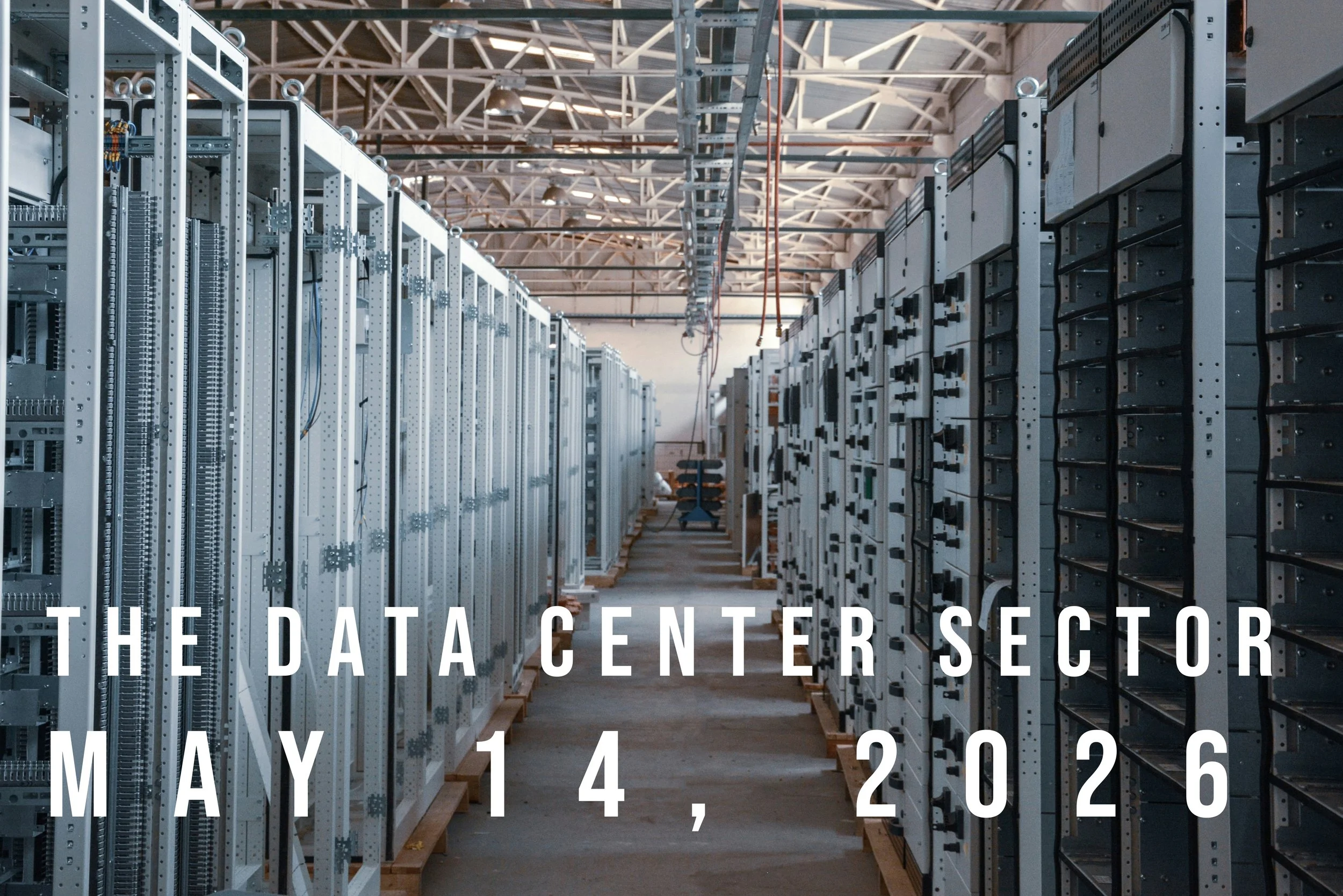
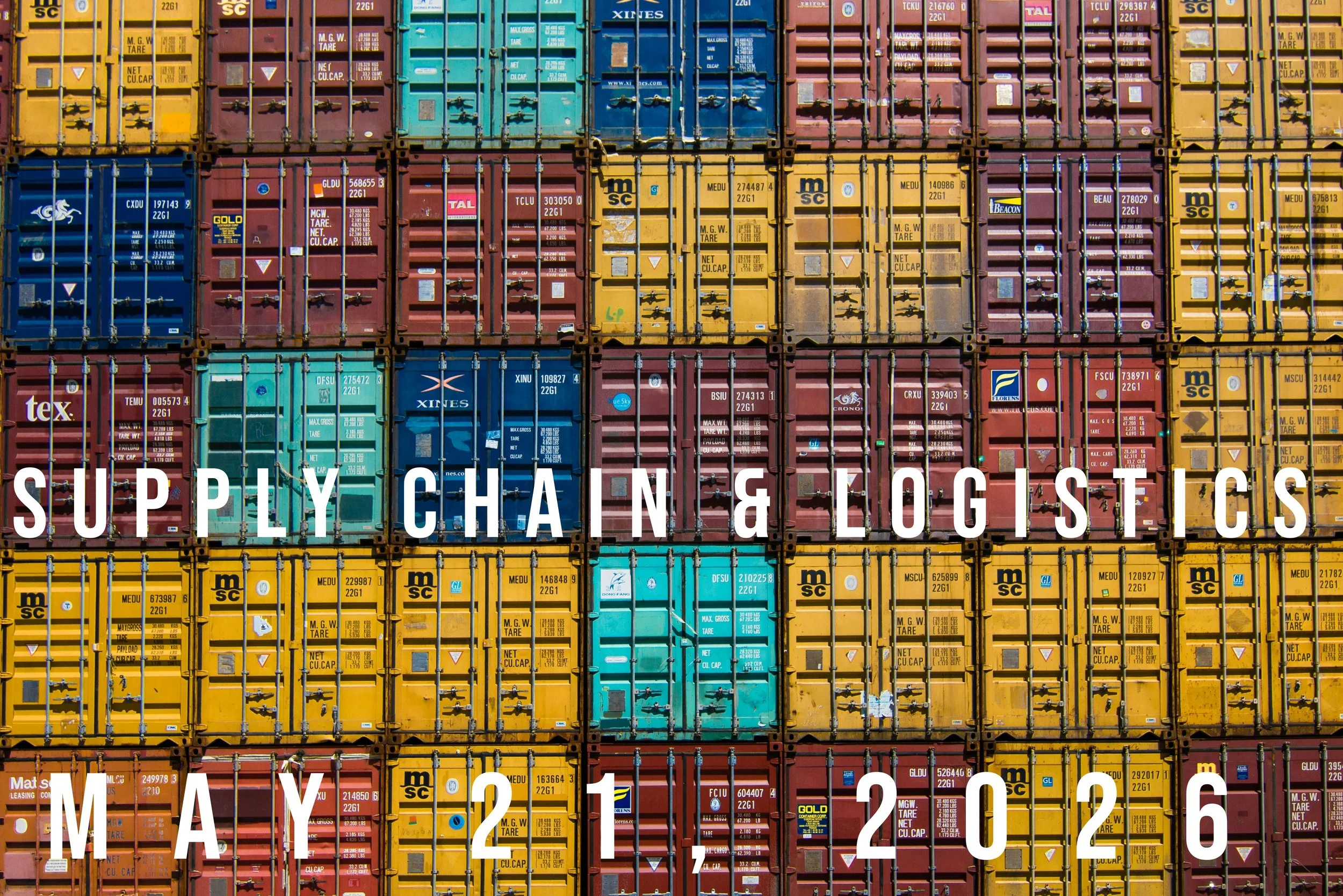



Regional Realities: Brazil and Argentina
Success requires navigating the distinct hurdles of the Southern Cone.
In Brazil, the focus is on overcoming the "Brazil Cost" through the 2026 Tax Reform, which introduces a VAT model (CBS and IBS) to simplify a notoriously convoluted system.
In Argentina, the challenge is macroeconomic stability. While the RIGI incentive regime signals an opening to foreign capital, firms must still navigate long-term predictability cycles.
The Bottom Line
The EU-Mercosur pact is a strategic shield against global fragmentation. For business leaders, the message is clear: the time to scout partnerships and map out expansion is not when the final "i" is dotted, but now.
The bridge is built. In this special series, we will provide the blueprints to help you cross it with confidence.—Frank P. Neuhaus for iMB.Solutions Ltda.

Frank P. Neuhaus - Founder of iMB.Solutions and interim manager/manager on-demand for international project missions
The High-Tech Renaissance: Navigating South America’s Digital Gold Rush

by Frank P. Neuhaus, São Paulo, Brazil, May 2026
The skyline of the global digital economy is shifting, and the most compelling silhouettes are no longer rising from Silicon Valley or the Rhine-Main area, but from the wind-swept plains of Patagonia, Argentina, and the solar-drenched coasts of Northeast Brazil. As an interim manager/manager on-demand and consultant navigating the C-suites of Europe and the Americas, I have witnessed a fundamental transformation:
South America is no longer just a provider of raw commodities; it is emerging as the world’s premier "green-shoring" hub for Artificial Intelligence (AI) and hyperscale computing.
This makeover is not merely a product of luck but a strategic convergence of renewable energy abundance, aggressive fiscal regimes like Brazil’s REDATA and Argentina’s RIGI, and a landmark trade agreement with the European Union that has effectively created a transatlantic digital corridor.
For European decision-makers, the message is clear: the path to sustainable, high-performance computing now leads through the Southern Hemisphere.
The Grid vs. The Cloud: A Digital Giant Awakens
Brazil has long been the global poster child for renewable energy, boasting a power matrix that is 85.3% clean—obliterating the global average of 16%. Yet, a new, power-hungry titan is testing the limits of this green success: the dual rise of Artificial Intelligence and hyperscale cloud computing. While Brazil’s massive hydropower reserves and wind-swept coasts make it a natural magnet for "sustainable computing," the country is discovering that a high-tech future requires more than just clean electrons. It requires a fundamental overhaul of how the grid thinks, how the law protects data, and how quickly a 20th-century bureaucracy can move in a fiber-optic world.
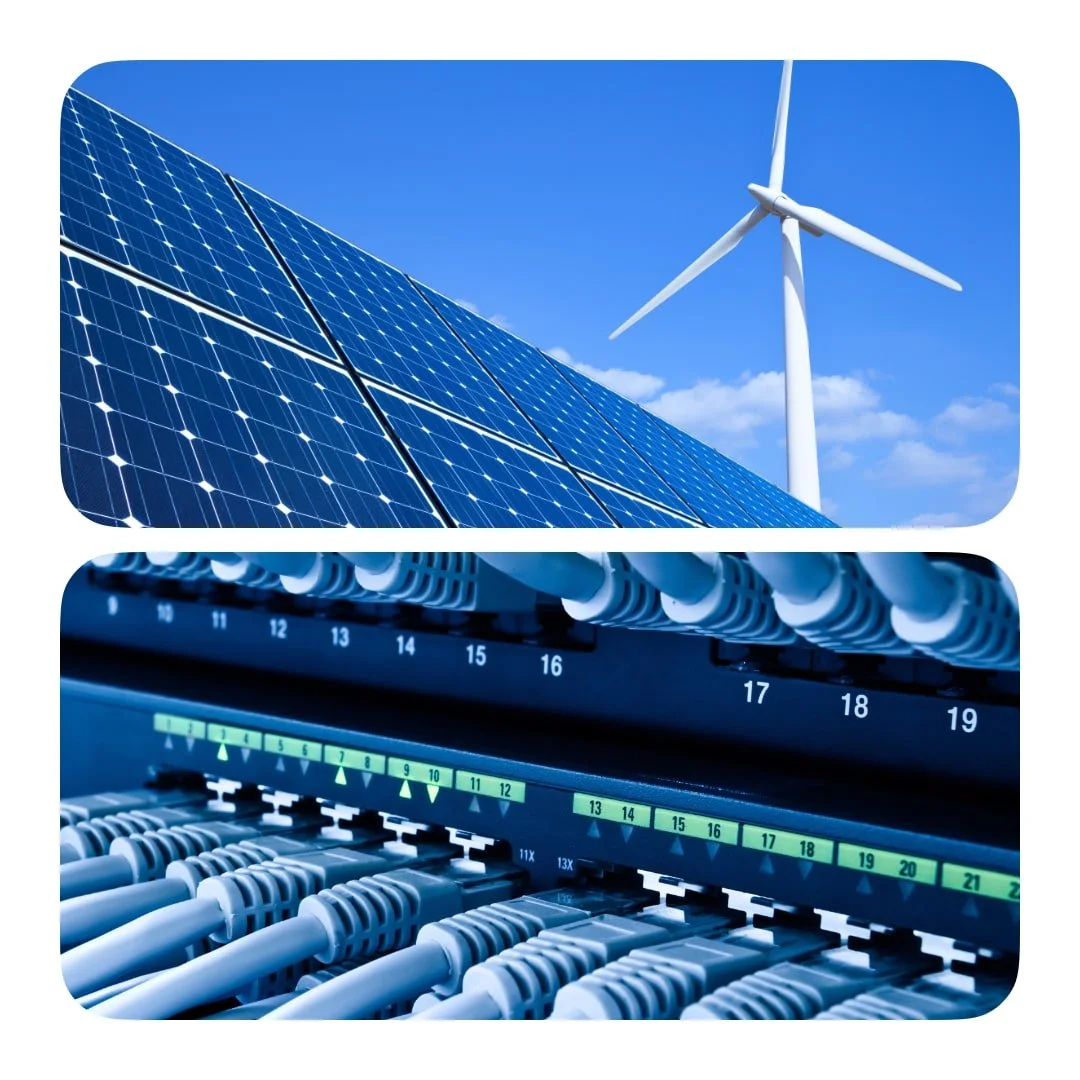
The transition is stark. Data centers are no longer just storage lockers for the internet; they have become the high-performance engines of the AI economy.
These facilities accounted for roughly 1.7% of Brazil’s total electricity consumption in 2024, approximately 8.2 TWh, but that share is projected to climb to 3.9% by 2029.
While the percentage jump seems modest, the underlying numbers tell a more aggressive story: the sector is facing a staggering 330% surge in absolute energy demand over just five years. This "AI and cloud hunger" represents a strategic paradox. Brazil’s reliance on hydropower, which accounts for 75% of installed capacity, offers a low-carbon competitive advantage, but experts warn that the strain is literal. Without continuous investment in efficiency, this digital gold rush could stress the national grid and the water resources required for both cooling and generation. Brazil has the clean power, but it’s running out of headroom.
The 730-Day Paper Trail - When Infrastructure Meets Bureaucracy
Technology moves at the speed of light, but in Brazil, infrastructure often moves at the speed of a permit. Consider Google’s 14,000-kilometer Firmina subsea cable, an engineering masterpiece designed to link the U.S. to Brazil, Uruguay, and Argentina. It wasn’t defeated by the challenges of the deep sea; it was stalled by a desk in Brasília. The cable was physically ready for operation but remained dormant for approximately two years because of the final Operating License from IBAMA, Brazil’s environmental agency.

The bottleneck was not just typical red tape but was compounded by personnel shortages and high-impact strikes. This multi-layered regime, requiring uncoordinated approvals from federal, state, and municipal agencies, creates a "regulatory unpredictability" that remains a primary deterrent to high-stakes tech investment. Industry players are now pushing for a "one-stop shop" to streamline the approval process for submarine cables, aiming to reduce the licensing timeline from two years to as little as six months. The future of Brazil’s sustainable computing edge is a wasted asset if the operating license remains a two-year hurdle.
The Grid’s New Brain - AI as a First Responder
There is a profound irony at the heart of this transition: AI is both the cause of the grid's stress and its most sophisticated savior. To manage the soaring load, transmission giant Eletrobras has partnered with C3 AI to deploy a "Grid Intelligence" platform across its entire network to identify faults in real-time. This system functions as a digital first responder, but the "brain" goes deeper than transmission lines. The Ministry of Mines and Energy has launched a public consultation to deploy 3.6 million smart meters nationwide, creating a two-way conversation between the consumer and the utility.

However, this digitalization opens new doors for disaster. Sophisticated security analysts are tracking the rise of Advanced Persistent Threats (APTs) specifically targeting SCADA networks and vulnerable endpoint devices. As operational technology and information technology converge, the risk is not just a software glitch—it is a targeted blackout. Vendor dependency and cybersecurity safeguards must be carefully managed to ensure resilience; the sector must avoid the trap where the national grid becomes beholden to a single software ecosystem.
Privacy Parity: The LGPD’s Surprising Strictness
To become a global data hub, Brazil has built a legal fortress. The Brazilian General Data Protection Law (LGPD) is the twin of Europe’s GDPR, but it carries a counter-intuitive twist. While the GDPR only requires a Data Protection Officer in specific, high-risk scenarios, the LGPD’s current framework implies that all controllers must appoint one, regardless of data volume. Strategically, the LGPD’s greatest asset is its "territoriality": the law applies to any data collected from a person physically in Brazil at the time of collection, regardless of their nationality. This alignment creates a "digital trust" framework that positions Brazil as a safe, regulated harbor for global tech giants wary of fractured legal landscapes in North America and Asia.
The "Open Season" and the Future of Shared Power
Solving the infrastructure bottleneck requires harmonization, not homogenization. Legislative efforts like Bill PL 270/2025 and the National Policy for Submarine Cable Infrastructure (PNICS) are the first steps toward that elusive "one-stop shop". On the power side, Brazil is moving toward a "shared transmission" model. By using a competitive "open season" process, the government provides developers with the certainty they need to build high-capacity lines for remote renewables. Yet, wires alone are insufficient. To truly balance a grid powered by variable wind and solar, Brazil must look toward long-duration storage solutions to bank excess power generated during off-peak hours.
The 2026 Shift: The EU-Mercosur Trade Catalyst
The signing of the EU-Mercosur Free Trade Agreement on January 17, 2026, alongside parallel regulatory adequacy decisions, has fundamentally altered the trajectory of Brazil’s digital infrastructure. This agreement is a masterstroke of economic deconstruction, specifically targeting the "Custo Brasil"—the historically high cost of doing business in the country. By eliminating import duties on 91% of EU exports to Mercosur, the agreement has drastically reduced the capital expenditure (CAPEX) for data centers. Previously, import duties on high-tech hardware inflated costs by up to 30%.
For a standard USD 600 million hyperscale project, these tariff removals generate savings of nearly USD 85 million to USD 110 million. This fiscal shift makes Brazilian sites competitive with secondary European markets like Milan or Tallinn.
Beyond hardware, the deal reduces tariffs on chemicals and machinery, accelerating the deployment of advanced cooling technologies necessary for AI workloads. As Brazil’s market shifts toward GPU-centric AI deployments drawing 50–100 kW per rack, the demand for liquid cooling solutions—often imported—is forecast to triple by 2030. The agreement also grants European firms "national treatment," allowing them to compete on equal footing with local and U.S. providers.
For the first time, EU companies can bid on Mercosur government contracts, including Brazil’s federal procurement market valued at over €8 billion annually. This opens significant opportunities for European sovereign cloud providers to service public administration projects.

Congresso Nacional, Brasília (Federal District, D.F.), Brazil
Regulatory Convergence: The Fast Lane for Data Flows
The trade deal is bolstered by the simultaneous adoption of mutual adequacy decisions in January 2026, recognizing Brazil’s LGPD and the EU’s GDPR as equivalent. This creates a seamless "transatlantic digital corridor" where personal data can flow between the European Economic Area and Brazil without additional safeguards like Standard Contractual Clauses. This "transfer by default" reduces legal friction for routine operations like HR processing and cloud hosting.
Crucially, the agreement explicitly prohibits data localization mandates, preventing cloud architecture fragmentation and allowing European firms to manage Brazilian data within their global networks. It also forbids government requirements for the transfer of source code as a condition for import or sale, providing critical intellectual property protection for European cloud platforms.
By removing the need for additional authorization, the deal significantly lowers compliance costs and legal uncertainty previously associated with digital trade.
"Green-Shoring" and the Renewable Energy Impact
Brazil's status as a renewable energy superpower is the single most powerful incentive for European firms facing strict environmental regulations, such as the Corporate Sustainability Reporting Directive (CSRD). By locating data processing in Brazil, where the matrix is approximately 86% renewable, European companies can reduce Scope 2 emissions by over 80% compared to fossil-fuel-dependent markets. This "ESG-ready" infrastructure allows investors to translate climate risk into financial risk mitigation.

The surge in demand is driving a shift in energy procurement from simple "green certificates" to direct infrastructure investment. Major operators like Equinix are moving toward long-term self-owned renewable energy models to ensure price stability and compliance. This "additionality"—the construction of new renewable plants specifically for data center use—is encouraged by the trade deal and market demand. Furthermore, the specific geography of Brazil's renewable resources is reshaping where digital infrastructure is built. The abundance of wind and solar in the Northeast is attracting massive investments to states like Ceará, where ByteDance is considering a 1 GW campus powered entirely by renewables.
The Patagonia Pivot - Stargate Argentina
In a move that recalibrates the global tech map, OpenAI has partnered with Argentina’s Sur Energy to launch "Stargate Argentina," a $25 billion project that positions Latin America as a heavyweight contender in the AI infrastructure race. This 500-MW behemoth will be carved into the wind-swept landscapes of Patagonia, a location chosen for its immense renewable energy potential and vast open land. This initiative is structured under Argentina’s Incentive Regime for Large Investments (RIGI), which offers 30-year fiscal and customs benefits to ensure long-term stability in an emerging market.

Patagonia, Argentina - the main problem is the lack of infrastructure
This project highlights the massive resource-hungry physical reality behind AI. Generating a single 100-word email via GPT-4 consumes roughly 519 milliliters of water, and a single modern data center can draw as much electricity as 50,000 homes. This reality creates a glaring tension between corporate narratives and operational facts; for example, Google’s energy consumption doubled in just four years despite optimized cooling. This "Jevons Paradox" suggests that better technology is not leading to conservation but simply fueling more massive consumption.
Strategic Resilience: RIGI vs. REDATA

For the discerning investor, understanding the nuances between Argentina’s RIGI and Brazil’s REDATA is essential.
Argentina’s RIGI is designed to counter the "Argentina Risk" by providing a 30-year shield of legal and fiscal stability. It guarantees that "vested rights" acquired under the regime cannot be violated by subsequent regulations and protects projects against new provincial or municipal taxes. RIGI also addresses foreign exchange concerns by exempting export proceeds from strict local controls on a phased schedule and guaranteeing the free availability of foreign currency for repatriation. Crucially, it allows disputes to be resolved through international arbitration outside Argentina, mitigating the risk of local judicial bias.
In contrast, Brazil’s REDATA focuses on lowering the high capital expenditure barriers for importing technology. It suspends federal taxes like PIS/COFINS and Import Duties on ICT equipment intended for fixed assets. However, REDATA is not a blank check; it requires investors to meet strict operational criteria. Beneficiaries must use 100% clean energy, meet specific water usage standards, and invest 2% of the value of acquired goods into local research and development. Additionally, at least 10% of data processing capacity must be reserved for the Brazilian domestic market. While Argentina tries to offer broad, long-term stability in a very unstable economic environment since almost one century, Brazil provides targeted tax relief tied to industrial and environmental sustainability.
The Competitive Challenge - Analyzing the ARTI Agreement
The recently signed Agreement on Reciprocal Trade and Investment (ARTI) between Argentina and the United States, formalized on February 5, 2026, introduces a new layer of competition for European suppliers. This bilateral deal grants U.S. exporters unprecedented access to the Argentine market, particularly in sectors where European firms have traditionally been strong, such as machinery, information technology products, and medical devices.
For European suppliers, the ARTI agreement is a double-edged sword. On one hand, it pushes Argentina to adopt modern international standards, such as joining the Patent Cooperation Treaty (PCT) and streamlining patent pendency times, which improves the overall business environment for all tech-heavy firms. On the other hand, U.S. exporters now benefit from immediate regulatory recognition, such as Argentina accepting FDA authorizations as sufficient for local marketing requirements for pharmaceuticals and medical devices. Furthermore, the ARTI agreement explicitly prohibits discriminatory taxes on digital services and ensures that Argentina will not require U.S. companies to transfer source code. European firms must now navigate a market where their U.S. competitors have secured a "fast lane" of regulatory and customs facilitation that could erode the traditional European lead in high-end industrial and medical technology.
Understand the ARTI dynamic in the context of the EU-Mercosur Free Trade Agreement
Strategic Recommendations for European Decision-Makers
To thrive in this new landscape, European companies must act with strategic agility. First, treat South America as a primary infrastructure hub where renewable energy serves as a hedge against global energy volatility and carbon pricing. Second, leverage the "transatlantic digital corridor" created by the 2026 trade agreement to decentralize operations beyond saturated hubs like São Paulo toward emerging nodes like Fortaleza or Patagonia. Third, European firms should proactively engage with the specific investment regimes—seeking the “promised (…)” 30-year stability of Argentina’s RIGI for large-scale energy-intensive projects while utilizing Brazil’s REDATA for high-tech infrastructure that aligns with sustainability goals.
The AI sector has reached an inflection point where sustainability is no longer a corporate social responsibility line item but a determinant of competitive alpha. Data centers are the new front lines of a global struggle for energy and water. Brazil and Argentina are at a crossroads where the speed of reform must match the speed of fiber-optic expansion. The future of the grid is not just about more wires; it is about smarter laws and real-time resilience.
Takeaway for Decision-Makers: The digital gold rush in South America is no longer a future prospect—it is a present reality defined by the 2026 trade and investment frameworks. European companies that pivot quickly to integrate these "green-shoring" hubs into their global strategy will secure a decade of sustainable, high-performance computing at costs their competitors cannot match.—Frank P. Neuhaus for iMB.Solutions Ltda.