
Of Popes, Politics, and Pure Hypocrisy: The Endless EU-Mercosur Saga – and Milei as a Geopolitical Bomb!
Juquehy Beach, Dec. 27, 2025
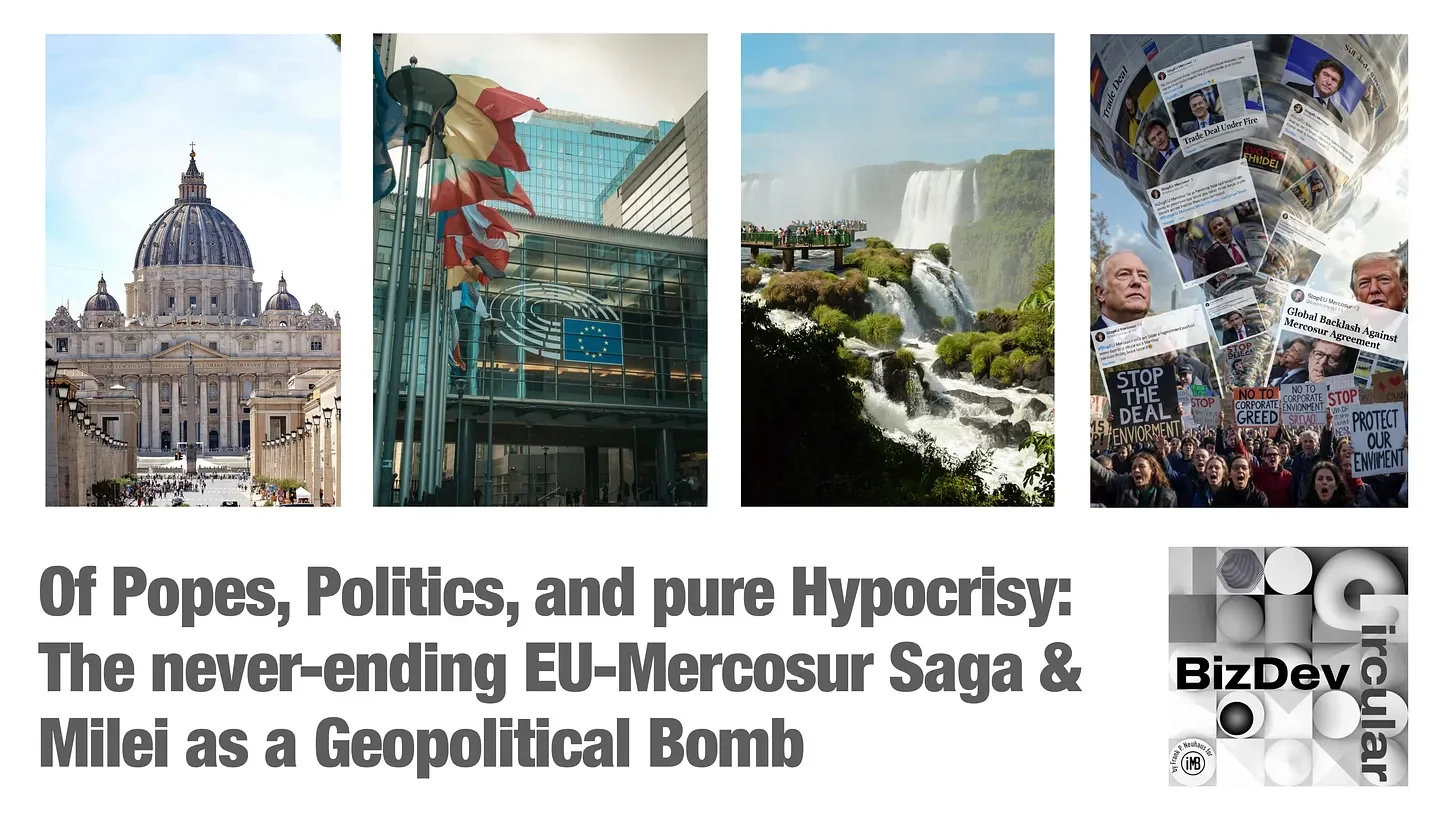
Blog cover image, BizDev Circular, Substack & LinkedIn, Dec. 27, 2025
January 12, 2026 – A date that sounds like a joke, but is bitter reality.
Pretext
An idea older than many a millennial's career path survives four popes, countless crises, and global upheavals – only to be torpedoed at the last minute by European politicians with flimsy excuses.
Welcome to the world of the EU-Mercosur free trade agreement!
This blog is based on fascinating conversations I recently had in Brussels, Buenos Aires, and São Paulo. It started innocently with a historical question, escalated into sharp criticism of European trade policy, and ends with a call to action: Europe, wake up!
Let's expose this hypocrisy, laugh at the absurdities, and – above all – find innovative ways to finally move forward. Because stagnation is the death of innovation, and we deserve better leaders who show courage instead of producing memes.
The Starting Point: A Simple Question That Triggered an Avalanche
It all began with a seemingly innocent inquiry: “When did people first start talking about a free trade agreement between the EU and the Mercosur bloc?”
Ah, good old diplomacy!
I dove into history and recalled: The first official talks started in 1999, with negotiations from 2000. A framework agreement from 1995 laid the groundwork, and since then – over 26 years! – the discussions have dragged on like an endless Netflix binge. Pauses, relaunches, a provisional agreement in 2019, and the "breakthrough" in 2024. It sounded motivating:
The world's largest free trade zone – 33% of global GDP, opportunities for sustainability and strategic partnerships. But hey, who needs facts when politics is in play?
Provocatively put: It already smells like waste here. 26 years for an agreement? In the tech world, you'd build digital empires in that time. Europe, on the other hand, negotiates until the idea turns fossil. Fossil? There was something about that...
The Humorous Twist - Popes as a Measure of Diplomatic Slowness
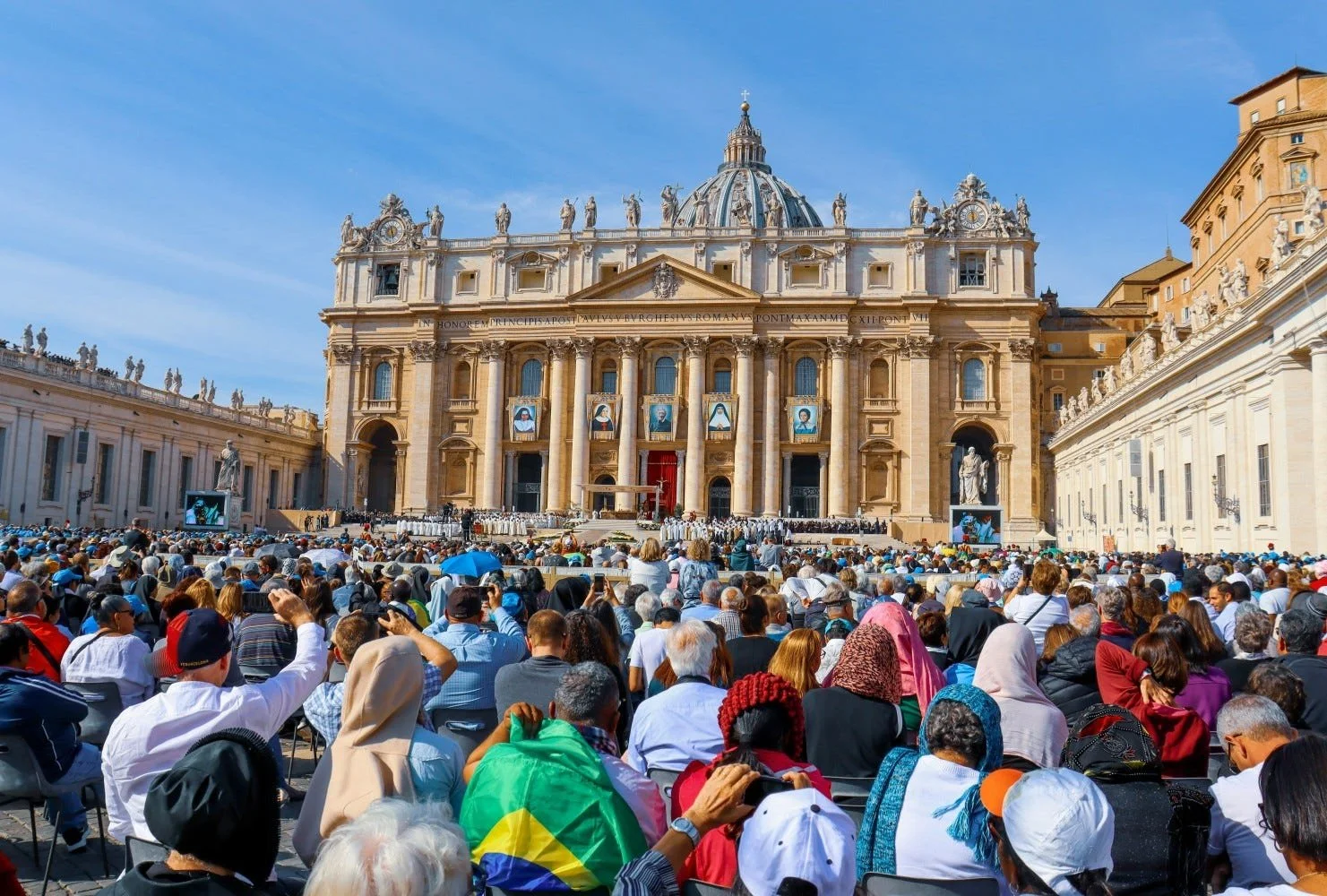
Creative follow-up question: “How many popes have there been since the idea began?” I have to laugh inwardly – brilliant! From 1999 (under John Paul II) to today: Exactly four popes. Let's list them to underscore the absurdity:
John Paul II. (until 2005): The visionary who witnessed the first steps. While he built bridges, the EU built walls of negotiation protocols.
Benedict XVI. (2005–2013): The intellectual, under whom pauses and restarts happened. Fitting his thoughtful style – thinking instead of acting.
Francis (2013–2025): The Argentine whose origins created closeness to Mercosur. He saw the 2019 agreement and the 2024 conclusion – only to witness new delays shortly before his death.
Leo XIV. (since 2025): The new one, now navigating a world where the agreement has been postponed to 2026. Maybe he'll bless it personally – or it outlives him too? I'd say the chances that the EU's fossilized negotiation survives this pope are very high.
Four popes in 26 years!
That's no joke, that's a provocation:
If even the Vatican changes more continuously than EU negotiations advance, what does that say about EU politicians?
It underscores the epic slowness – and motivates me to ask: Why does progress take so long when the benefits (export opportunities, climate cooperation) are so obvious?
And: Why not finally think seriously about the United States of Europe and get on the path?
But that's another story.
The Escalation: From Failure to TTIP Déjà Vu
Here it gets provocative. One of my conversation partners commented: “It seems like a bad joke that just before signing in December 2025, France and Italy raise doubts... after 26 years and four popes. That reminds me of TTIP, where Germany and Austria torpedoed it.”
Spot on!
I agreed: It's bitterly absurd. As of December 20, 2025: Everything was ready for signing in Brazil, yet France (Macron) and Italy (Meloni) blocked it amid farmer protests in the background. Reason? "Not sufficiently negotiated, not mature" – after 26 years! Agricultural fears of cheap imports, missing safeguards.”
Compare that to TTIP (2013–2016): There, Germany and Austria torpedoed it with arguments about arbitration courts (ISDS), chlorinated chicken, and transparency. Over 3 million protests, and poof – agreement dead. The parallels are screaming: Last-minute blockades, national lobbies (farmers and NGOs at Mercosur, NGOs at TTIP), and the eternal narrative of "not mature."
Pure hypocrisy!
Europe preaches free trade but protects its markets like a fortress builder.
My opinion: This is no coincidence, it's system failure! Europe ignores geopolitical opportunities – diversification from China, alliances against Trump tariffs – and sacrifices them for short-term voter points.
Provocatively:
Are our leaders cowards or just incompetent? In a world where AI companies create revolutions in months, shame on you, EU!
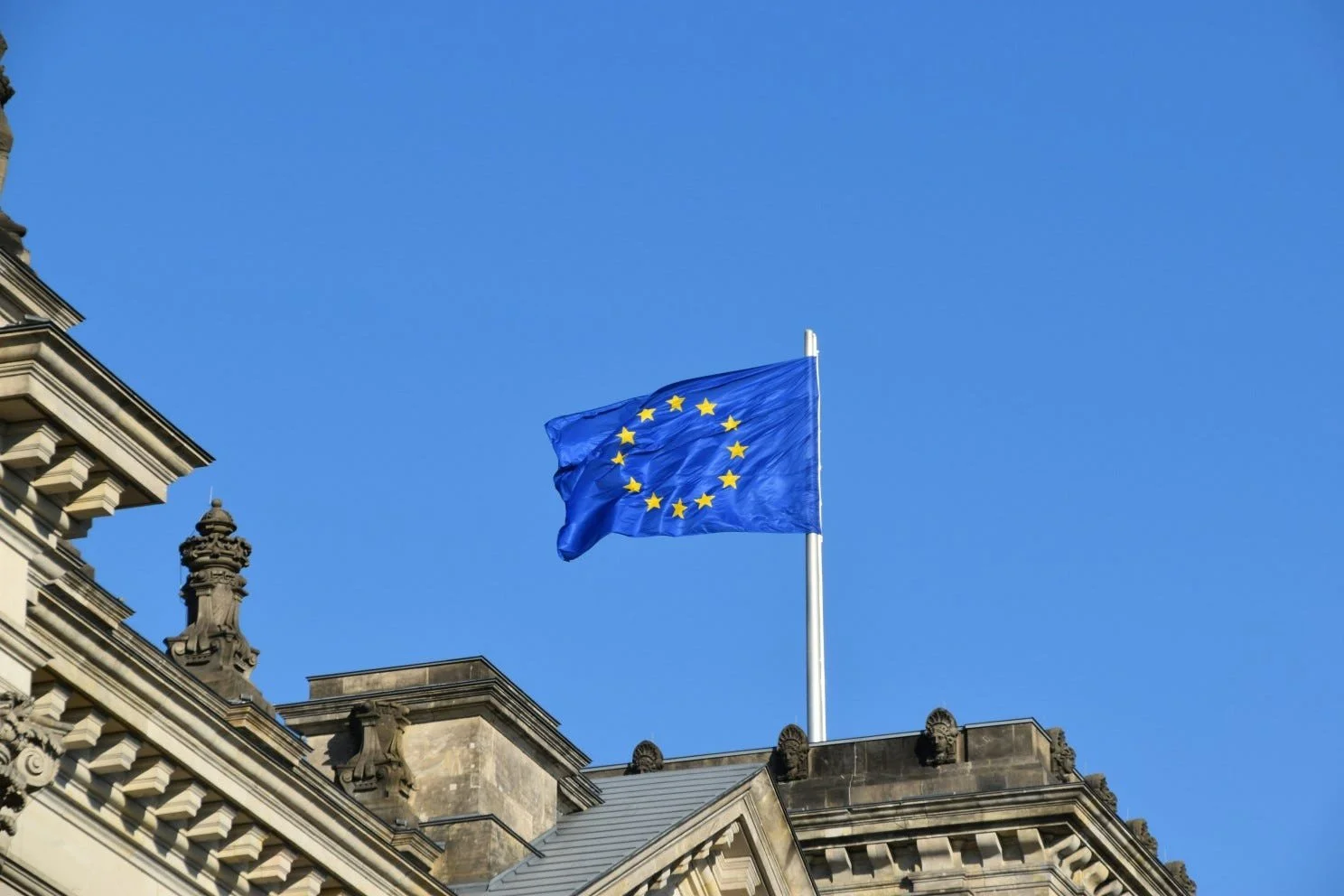
The Core of the Provocation: Europe's Flimsy Free Trade Hypocrisy Exposed
A comparison: “Compare the failure... against the background that especially from Europe, flimsy narratives about free trade always turn out to be cheap hypocrisy at the last minute.”
I'll go all-in: Both agreements share the "European Brake Maneuver" effect – long-term negotiations, then pullback under noble pretexts.
Similarities that provoke:
National blockades: France/Italy at Mercosur (agriculture), Germany/Austria at TTIP (ISDS).
Protests as weapons: Tractors and NGOs in Brussels vs. millions of signatures – both paralyzing.
Geopolitical ignorance: Missed opportunities that isolate Europe.
Differences that amplify the hypocrisy:
TTIP: Regulatory (democracy vs. corporations).
Mercosur: Agricultural (environmental standards vs. imports).
TTIP dead, Mercosur hanging – but the narratives echo: "Not mature!"
Provocatively: This is cheap hypocrisy! Europe loves exporting, blocks imports, and demands "green" trade while subsidizing itself. It undermines credibility in a Trump era.
My opinion: Enough excuses! This is counterproductive and anti-innovative.
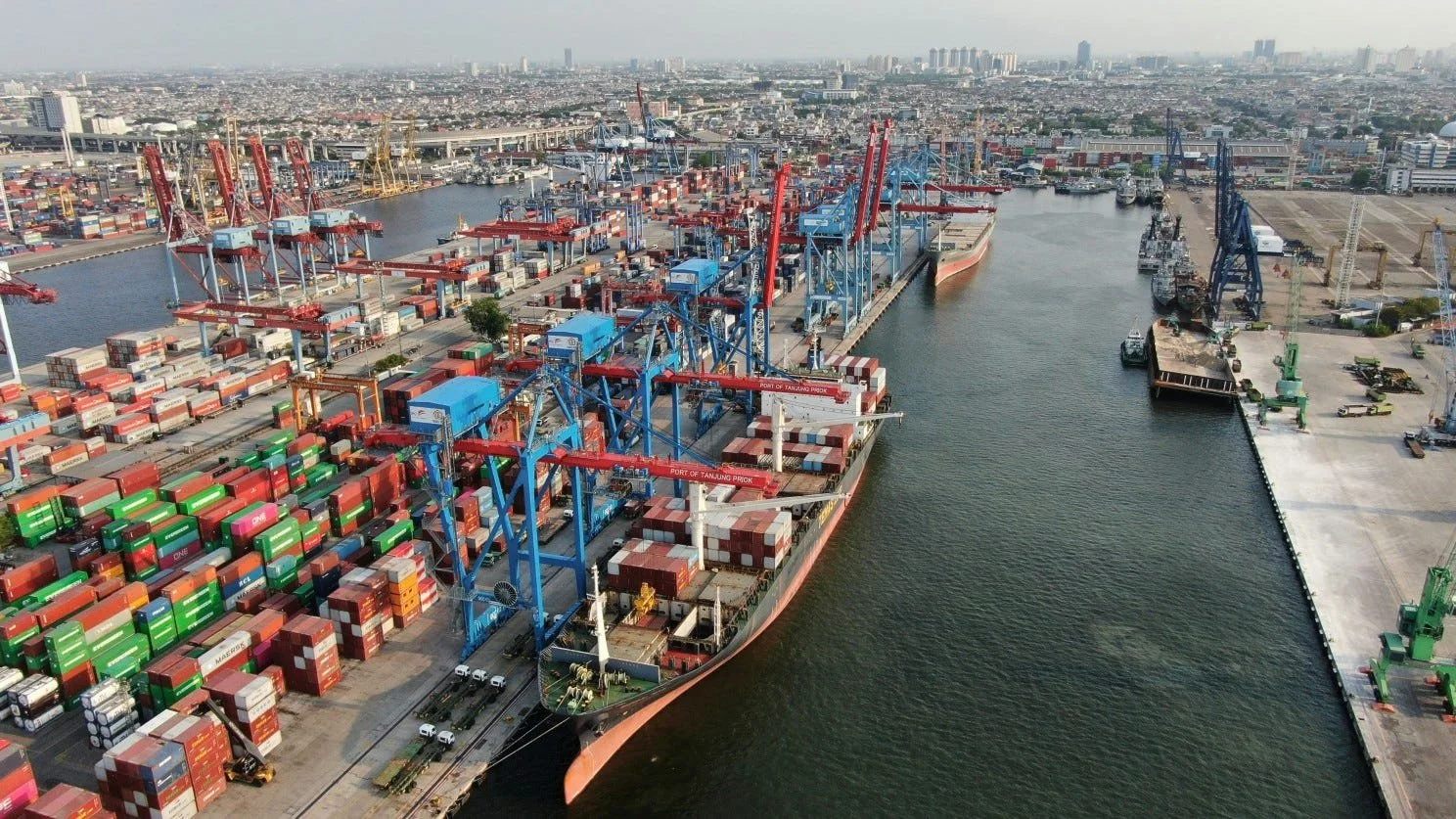
The Naked Truth: Europe's Stalemate Exposed – A Deep Analysis of Hypocrisy and the Path Forward
To make this saga even more provocative, I'll dive deeper into an unvarnished exposure of EU dilemmas that fits perfectly here. The core: The renewed postponement to January 2026 is no technical glitch, no legal flaw – the treaty is finished! What's missing? A political decision. This stalemate brutally reveals Europe's struggle to reconcile liberal rhetoric, geopolitical ambitions, and domestic political costs. It's the "hour of truth," postponed – again.
Internally: A handful of countries, led by France and now Italy, turn sectoral interests (agri-lobby) into a veto against a bloc of 450 million.
Agriculture as the perfect alibi: Environmental standards, food safety, "rural way of life" (identity politics) – while the sector is massively subsidized and the deal only brings limited openings.
This is old protectionism in green disguise, pure regulatory hypocrisy!
The paradox: Europe preaches predictability and multilateralism but retreats from competition. It claims climate leadership and uses environment as a barrier. In a fragmented world – US tariffs, Chinese expansion – Europe misses diversification, supply security, and global relevance. For Mercosur (e.g., Brazil), it's the contrast program: From closure to opening, while Europe hesitates and drives partners to alternatives.
January 2026 as a test: Signing could prove capability; delay turns it into a "zombie agreement."
Clear:
Free trade is no charity, but self-interest – no autonomy without confronting lobbies, no leadership without coherence between word and deed. If Europe fails, it chooses irrelevance itself.
And here it gets motivating: Trump's NSS 2025 criticizes Europe harshly – risk of "civilizational erasure," demand for self-responsibility against Putin (war, cyber, disinformation).
But Europe is reacting!
The 2024 Draghi Plan proposes joint investments (European debt for defense, innovation), deeper single market, strategic autonomy, less regulation. Germany's shift (efficiency!), Spain's growth (immigration!), NATO deepening (Finland/Sweden), new agreements (Mercosur, China), 2026 oil price drop, talent influx due to Trump's education policy.
My opinion: Europe's "death" (Mark Twain) is exaggerated! This crisis is opportunity – think innovatively, break lobbies, create coherence.
Provocatively: Europe, use Draghi as a blueprint to break out of hypocrisy. That's motivating: From stalemate to powerhouse!
The Geopolitical Bomb: Milei as Trump's "Sleeping Agent" in Mercosur – A Strategic Scenario Under the Microscope
And now, my friends, it gets really exciting – and provocative! My chats culminated in a sharp thesis:
Argentina's President Javier Milei, the self-proclaimed anarcho-capitalist, as a close Trump supporter and potential saboteur of the EU-Mercosur deal.
From Milei's radical-libertarian view – nations as "freebooters" on the oceans chasing their luck, no matter the cost – it fits perfectly. He criticizes economic blocs like Mercosur and the EU and advocates open, bilateral deals. His Davos appearances in 2024/2025 and praise for Trump underscore this: Milei sees Trump as an ally against "socialist" blocs.

The scenario: Milei as Trump's "sleeping agent" in Mercosur. The new US security strategy 2025 under Trump views the EU tendentially as a competitor or even adversary – an "existential threat" to US interests, focusing on economic dominance and departure from multilateral alliances. Trump promised Argentina aid depending on Milei's success, and they signed a bilateral trade framework testing Argentina's closed economy. Currently, Milei "sleeps" because the EU sabotages itself (thanks, France and Italy!).
But if signing happens in January 2026?
Milei could torpedo it – e.g., through skepticism about the deal's fairness or demands for flexibility in Mercosur rules, as at the Mercosur summit on Dec. 20/21, 2025 with Lula.
My assessment: Plausible? Absolutely – Milei's ideology (anti-blocs, pro-free markets) aligns with Trump's "America First," and their "special bond" suggests coordination.
Provocatively: It's no conspiracy theory, but geopolitical chess! Trump uses Milei to undermine EU ambitions and weaken Europe's global role. But exaggerated? "Agent" is metaphorical – Milei acts from conviction, not as a spy. Still: Failure via Argentina would do Trump a "great service" and harm Europe.
Imagine Milei sawing the agreement with his chainsaw (his campaign gag) – while Trump tweets: "Great job, Javier!" That's no joke, that's a warning: Europe, don't let yourselves be outsmarted!
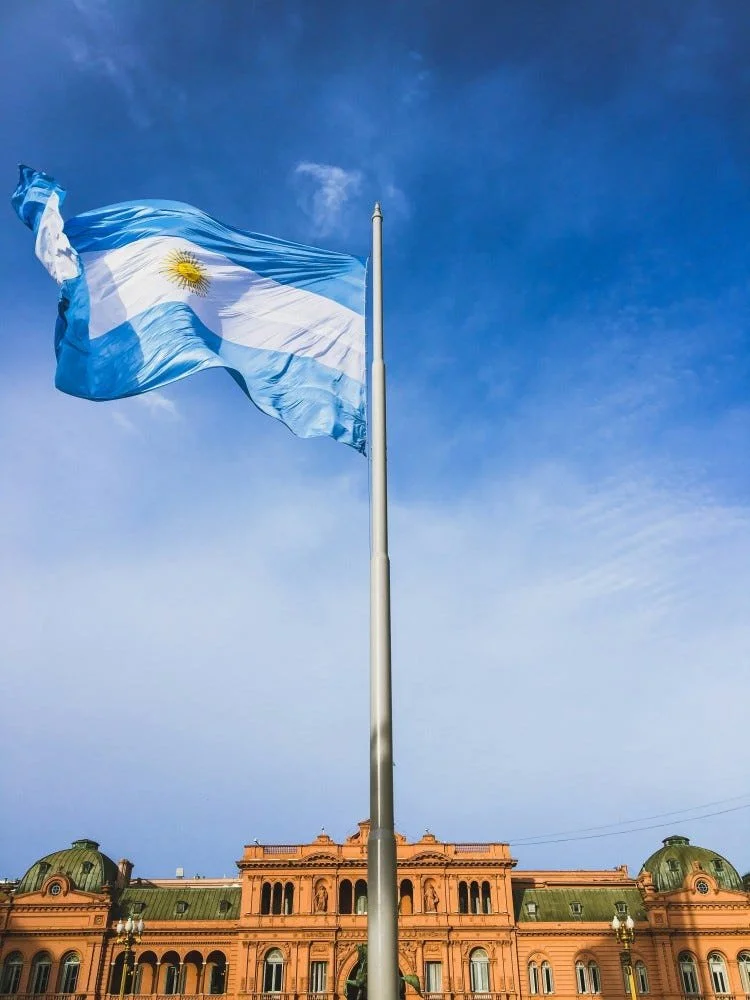
Scenario 1: The "Flexibility Trap" – Milei Uses Paraguayan Mercosur Presidency as Leverage
In his speech at the Foz do Iguaçu summit on December 20, he again called for "flexibility" in trade rules – code for: Let countries make bilateral deals without bloc constraints.
Simulation: If the EU deal comes in January, Milei as president could call a "special round" and demand exceptions for Argentina – e.g., parallel US deals without Mercosur tariffs. That would split the bloc: Brazil (Lula) would rage, Paraguay might join, Uruguay hesitate.
Risk: The deal falls apart in negotiations, delayed by months. Milei with his chainsaw sawing the treaty table – and Trump laughing in the White House!
Clear opinion: This is clever sabotage – not frontal, but structural. Europe loses time while China expands in Latin America.
Risk probability: High (70%+), since Milei has demanded this multiple times.
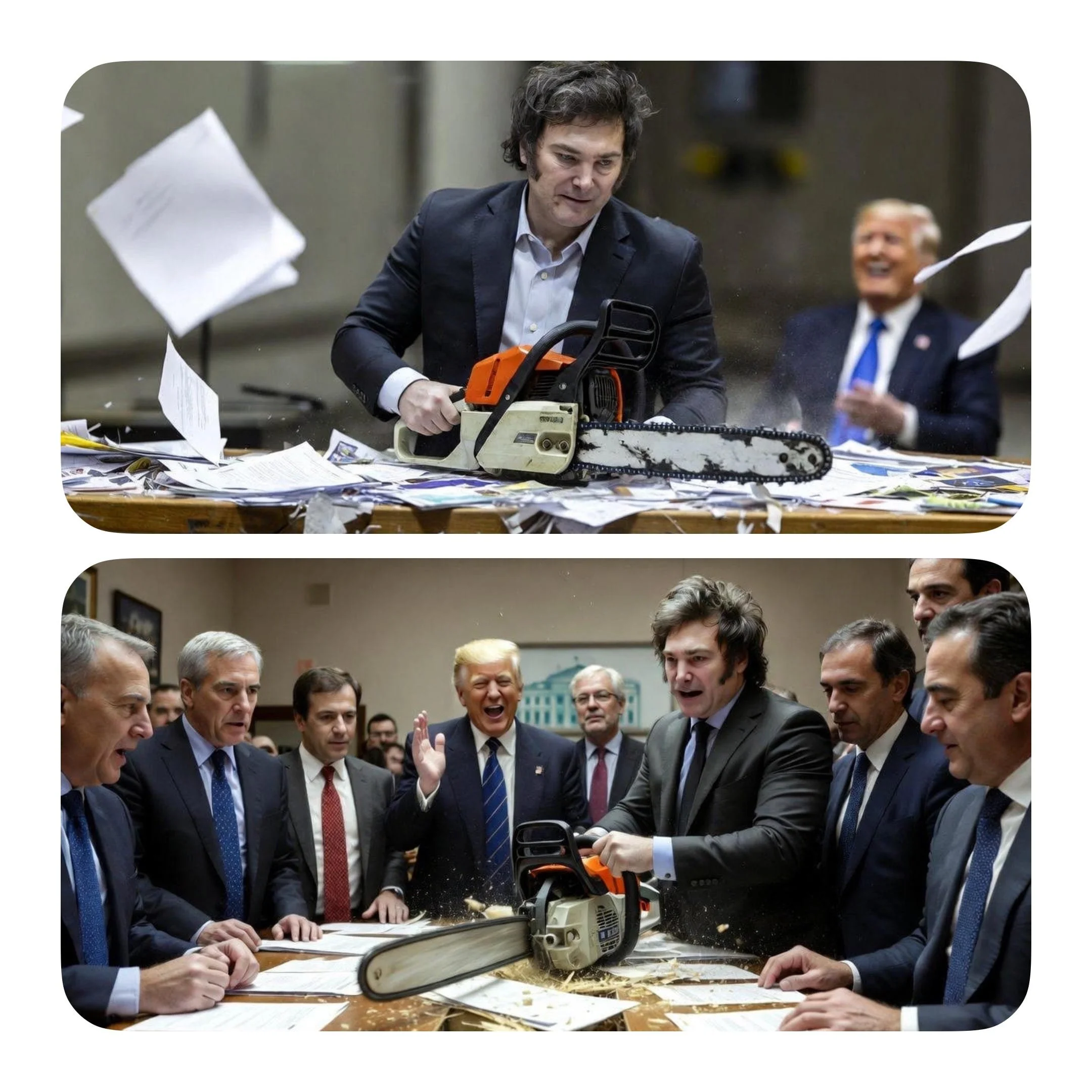
Both visuals were generated by generative AI after the software read Scenario 1. Neither visual depicts a real situation.
Scenario 2: The "X Tornado" – Public and Media Campaign Against the Deal
Milei is an X master (his handle @JMilei has millions of followers). He often posts about alliances with Trump, like in October 2025 praising the US as a "strategic ally" and adapting MAGA.
Simulation: At impending signing, he starts a post series: "The EU deal is unfair – harms Argentine farmers and ties us to bureaucratic chains! Better free markets with the USA!" He shares memes, videos (like his summit speech), and tags Trump. That ignites protests in Argentina, pressure on other Mercosur leaders, and media storm. Trump retweets: "Javier is right – EU is weak!"
Risk: Public opinion flips, ratification in Mercosur countries fails. This would be Milei's "anarcho-capitalism" in action – chaos as a weapon!
Clear opinion: Effective and low-cost – social media as sabotage tool.
Risk probability: Medium (50%), since Milei is skeptical but hasn't frontally attacked the deal yet.
Scenario 3: The "US Priority Coup" – Bilateral Deals as Conflict Igniter
Milei and Trump signed a "Framework for Reciprocal Trade and Investment" in November 2025 – a bilateral agreement prioritizing US investments. It potentially collides with Mercosur rules requiring common tariffs.
Simulation: Milei declares: "Argentina chooses freedom – we ratify the EU deal only if it doesn't hinder US interests." He pushes US exports (e.g., tech, energy), undercutting EU standards (environment, labor). If the bloc insists, he threatens exit: "Mercosur is a cage – we sail free!"
Risk: The deal bursts, as Mercosur is weak without Argentina. Milei as pirate handing the EU treasure to Trump – "Yo-ho-ho and a bottle of Libertad!"
Clear opinion:
This is the biggest geopolitical risk – Trump uses Milei to weaken the EU.
Risk probability: High (80%+), given their "strategic alliance."
Scenario 4: The "Ratification Pullback" – Internal Blockade in Argentina
As president, Milei controls the ratification process.
Simulation: After signing, he sends the deal to parliament with "concerns" – e.g., "Violates sovereignty, as I warned in Davos!" He delays votes, demands changes (e.g., laxer environmental rules). Trump praises: "Smart move!"
Risk: Argentina vetoes, the bloc breaks apart. This would be Milei's ultimate service to Trump – Europe humiliated, USA dominant.
Clear opinion: Brutal, but feasible.
Risk probability: Medium (70%), since Milei sees the deal as "not fair."
Overall Risk Assessment and Proactive Solutions: Time for Counterattack!
Overall:
High risk (70-80%+) that Milei sabotages – not as an "agent," but from conviction, amplified by Trump.
But Europe, this is motivating: Use it as a catalyst for innovation! Some outside the box ideas:
Direct diplomacy: EU Commission meets Milei bilaterally – offers incentives like tech partnerships that tickle his libertarian soul.
Mercosur bypass: Negotiate separately with Brazil/Uruguay – a "Mercosur-Plus" with flexible modules that isolates Milei.
Geopolitical judo: Involve Trump! Propose a "triangle deal" (EU-USA-Mercosur) incorporating US interests – turns sabotage into cooperation.
Digital counteroffensive: Launch EU campaign on X, tag @JMilei: "Let's share freedom – fair trade for all!" Build public pressure.
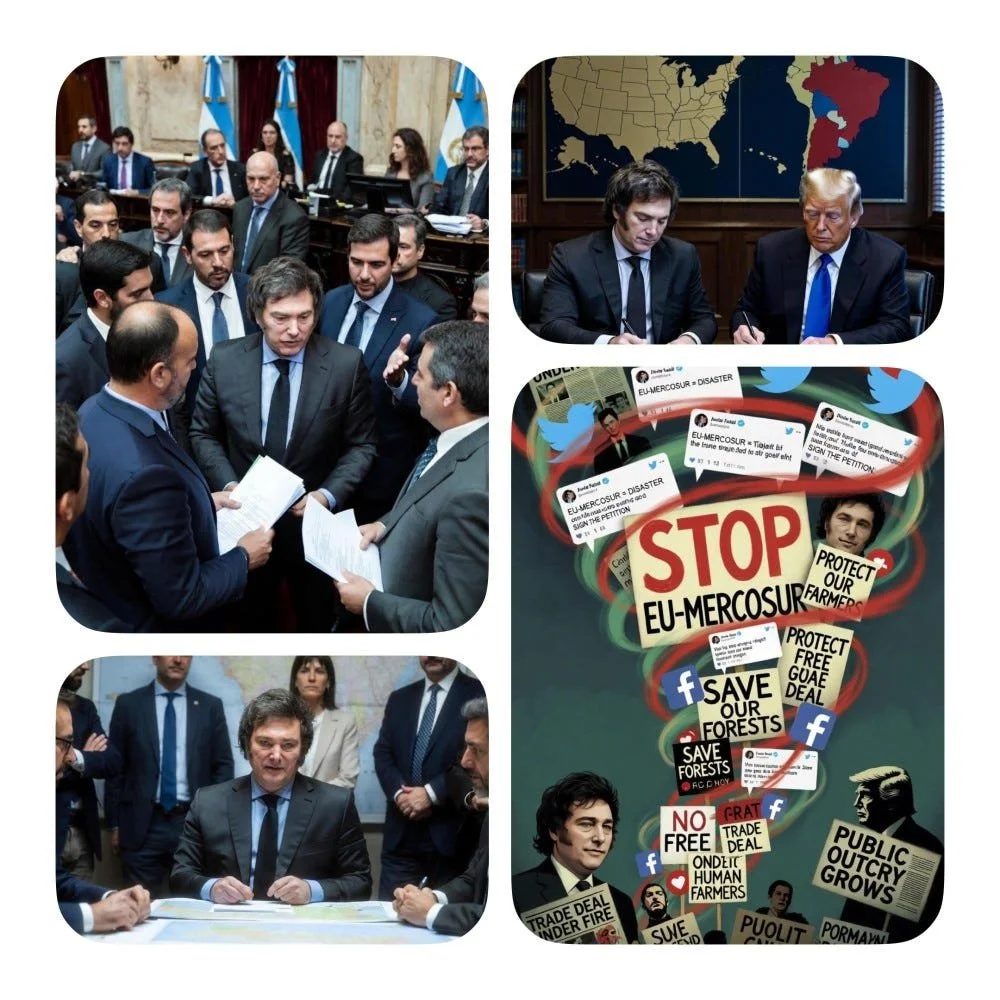
All four visuals were generated by generative AI after the software read the overall risk assessment. Neither visual depicts a real situation.
Solution-Oriented Forward: Innovative Ways Out of the Dead End – Because We Deserve It!
Let's think motivated, outside the box. Here are my provocative but feasible proposals to avoid such dramas (including Milei risks):
Phased agreements: Start with "Mercosur-Light" – industry and services immediately, agriculture stepwise with audits. No more all-or-nothing! But it should be clear this would be a drastic imbalance favoring the EU and actually a zombie agreement.
Digital stakeholder integration: An EU app for farmer feedback – turn protests into input and create transparency.
Climate fund as incentive: EU investments in Amazon protection against fair imports. Win-win for environment and economy.
Hypocrisy index: An independent commission checks narratives – time for "truth serum" in politics!
Geopolitical counterstrategy: Europe, build alliances with Brazil and Uruguay – bypass Milei! Or propose an "EU-USA-Mercosur triangle" involving Trump and defusing his aggression.
The hard facts: Where does Europe really stand?
Currently (as of December 27, 2025), the picture is mixed but alarming:
Economic decline: The Draghi Report from 2024 (and updates in 2025) warns urgently that without radical reforms, stagnation is imminent. The EU's share of global GDP is shrinking (from ~25% in 2000 to less than 18% today), while the US and China are forging ahead. Productivity is sluggish, innovation is lagging behind (e.g., in AI and tech). The Commission's Competitiveness Compass is mobilizing over €1 trillion for innovation and defense – progress, but still too slow.
Geopolitical criticism from the US: Trump's National Security Strategy 2025 is brutally honest (and provocative): Europe is described as “decadent,” threatened by “civilizational erasure” through immigration, demographics, and “censorship.” It calls on Europe to take responsibility for itself – less dependence on NATO, more defense of its own. Many see this as “Make Europe Great Again” with right-wing populist undertones, including support for anti-EU forces.
Internal blockages: The Mercosur deal, almost complete after 26 years, has just been postponed again (to January 2026) by France and Italy – farmer protests and protectionism prevail over strategy. This signals indecision and drives partners (e.g., Uruguay to the TPP) away.
Voices from around the world: Analyses speak of “avoidable decline” (Kissinger echo), “fading irrelevance” or even “Clash of Empires,” where Europe becomes a spectator. Populism, aging, the energy crisis, and Ukraine fatigue reinforce this picture.
My opinion: Europe is not a “fading empire” in the sense of an inexorable decline like Rome – that would be fatalistic and wrong! It is a power bloc with enormous potential (science, values, market size), but one that is holding itself back through fragmentation, overregulation, and national egoism.
Trump is partly right: Europe appears weak when it does not act in unison. But that is not fate – it is an opportunity! Moving forward in a solution-oriented way: How Europe can flourish again – outside the box! Europe, let's think and act innovatively!
Here are some proactive ideas that motivate:
Implement Draghi – turbocharged: Make the Competitiveness Compass a reality: €800 billion+ investment in AI, green tech, and defense. Accelerate the Capital Markets Union for a startup boom. Less regulation, more venture capital – like a “European DARPA” for breakthroughs!
Geopolitical unity: Push for a genuine “United States of Europe” vision – common foreign policy, army, and fiscal union. Trump is pushing us to do this? Let's take advantage of it! Instead of dependence: Strategic autonomy with alliances (Indo-Pacific, Latin America).
Flip demographics & innovation: Make immigration smart (talent influx like Spain), boost family policy. AI and automation for productivity – positioning Europe as a “wise empire”: sustainable, value-based, resilient.
Mercosur & trade as leverage: saving the deal in January – as a sign of strength. Then offensive deals (India, ASEAN) for diversification.
I am convinced that Europe can not only survive, but lead – in climate protection, tech ethics, and peace. It takes courage, as with the introduction of the euro or enlargement.
The “fading empire” myth?
An incentive to show: We are the innovative, united Europe of the future!
Conclusion: Europe’s Self-Sabotage – Time to Wake Up or Fade Away
As the Mercosur bloc reluctantly accepted yet another display of the EU’s unilateral paralysis—postponing the long-awaited signing from December 20, 2025, to January 12, 2026—it has become crystal clear that further delays will no longer be tolerated. One more hesitation from Brussels, and the South American partners will finally pull the plug on these 26 years of fruitless negotiations, declaring the deal officially dead.
Attention will swiftly shift to alternatives long championed by Uruguay, such as joining the Comprehensive and Progressive Agreement for Trans-Pacific Partnership (CPTPP) with its eleven dynamic Asian economies, including powerhouses like Japan and the Trans-Pacific Strategic Economic Partnership Agreement (TPSEP or P4). Today, the message rings loud and unmistakable:
The EU no longer takes South America seriously, clinging to the illusion that hypocritical narratives about standards, sustainability, and maturity can still fool the world.
What Europe stubbornly refuses to grasp is that this arrogant foot-dragging plays directly into the hands of the current U.S. administration, which openly portrays the continent as old, decadent, and ripe for irrelevance.
This is no longer just a missed trade opportunity—it is a strategic self-inflicted wound that risks pushing valuable partners into rival orbits and accelerating Europe’s slide toward geopolitical marginalization.
The clock is ticking louder than ever: January 2026 is Europe’s last real chance to show courage, coherence, and respect. Seize it with bold, innovative leadership—or accept the consequences of choosing comfortable hypocrisy over a vibrant future. The world is moving forward; it’s time for Europe to decide whether to lead, partner, or simply watch from the sidelines.
What do you think – is the glass half empty or half full? Which solution do you find most exciting? Let's engage in dialogue and move Europe forward!
I am convinced: With courage, the EU-Mercosur free trade agreement will become reality. It creates jobs, innovation, and alliances – even against "freebooters" like Milei. Europe, stop braking – accelerate! What do you think? Share your thoughts in the comments. Until the next provocative update – stay motivated and rebellious!—F.P.N. for iMB.Solutions Ltda.
This blog was originally published on the Substack platform and LinkedIn in the BizDev Circular newsletter on December 27, 2025. The newsletter was part of the digital media outlet of iMB.Solutions. Due to the reorganization of the media outlets, all publications by iMB.Solutions will now be concentrated on the website. Blogs and newsletters that are important in the current context have been transferred to the iMB.Solutions website. BizDev Circular will no longer be continued on the Substack and LinkedIn platforms.